Introduction
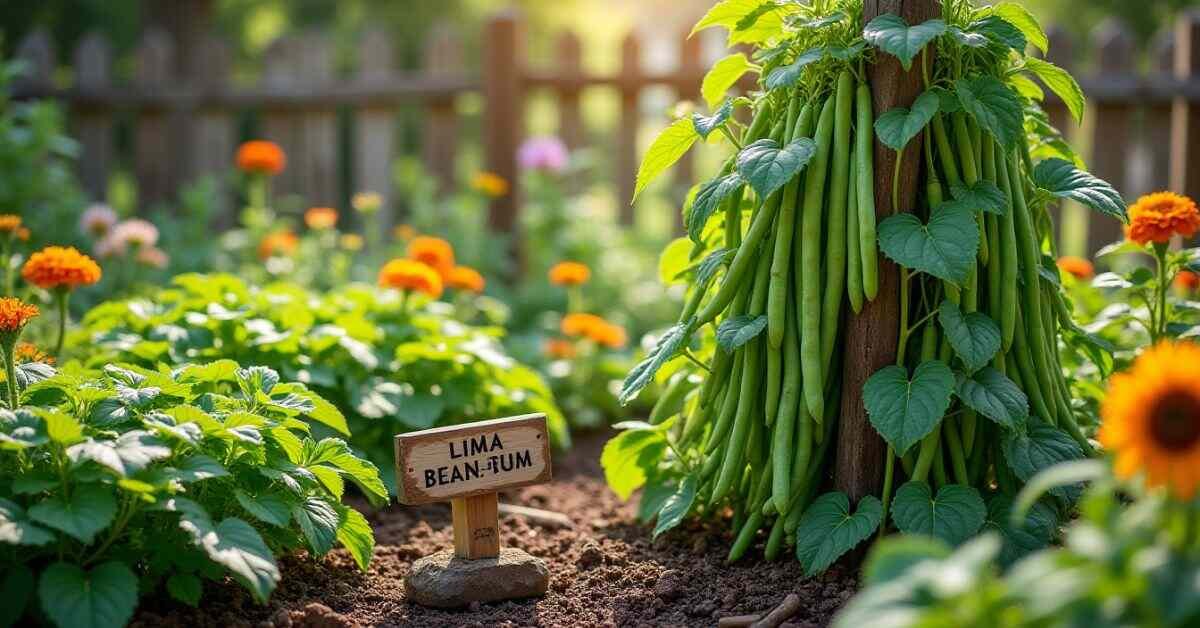
Lima Bean Plant are a versatile type of legume grown for their edible seeds. They are often called butter beans because of their smooth, creamy texture when cooked. These plants come in two main varieties: climbing poles or compact bushes.
Have you ever wanted to harvest your own dinner right from your backyard? Lima beans are one of the most rewarding crops for any home gardener. They are incredibly hardy, delicious, and surprisingly easy to manage, even if you don’t have a green thumb.
Growing these beans is a great way to dive into gardening. They love the warm summer sun and don’t require much fuss to produce a massive harvest. This guide will walk you through the simple steps to go from a tiny seed to a bowl full of homegrown beans.
Lima Bean Plant Overview
The lima bean is a warm-weather plant that belongs to the legume family. It is famous for its flat, kidney-shaped seeds that turn soft and buttery when you cook them. You can find them in two styles: bush beans, which stay short, and pole beans, which love to climb up fences or poles.
These plants are tough and thrive during the long, hot days of summer. They are excellent for beginners because they aren’t very picky about their environment as long as they stay warm. Once they start growing, they produce plenty of pods that provide a healthy, protein-packed harvest for your kitchen.
How to Grow Lima Bean Plant
Growing lima beans is a simple process if you wait for the right weather. These plants love the heat, so you should wait until the soil is warm and there is no risk of frost. Simply poke a hole in the dirt, drop a seed in, and cover it up. They don’t like being moved, so it is best to plant them exactly where you want them to grow.
Once your seeds are in the ground, a little bit of care goes a long way. Use these simple steps to keep your plants happy:
- Pick a sunny spot: Choose a place that gets at least 6 to 8 hours of direct sunlight every day.
- Water carefully: Keep the soil moist but not soggy, especially when the plant starts to show flowers.
- Provide support: If you are growing the climbing “pole” variety, set up a trellis or a tall stake for the vines to grab onto.
- Watch them grow: Add a little mulch around the base to keep weeds away and hold moisture in the soil.
Best Soil for Lima Bean Plant
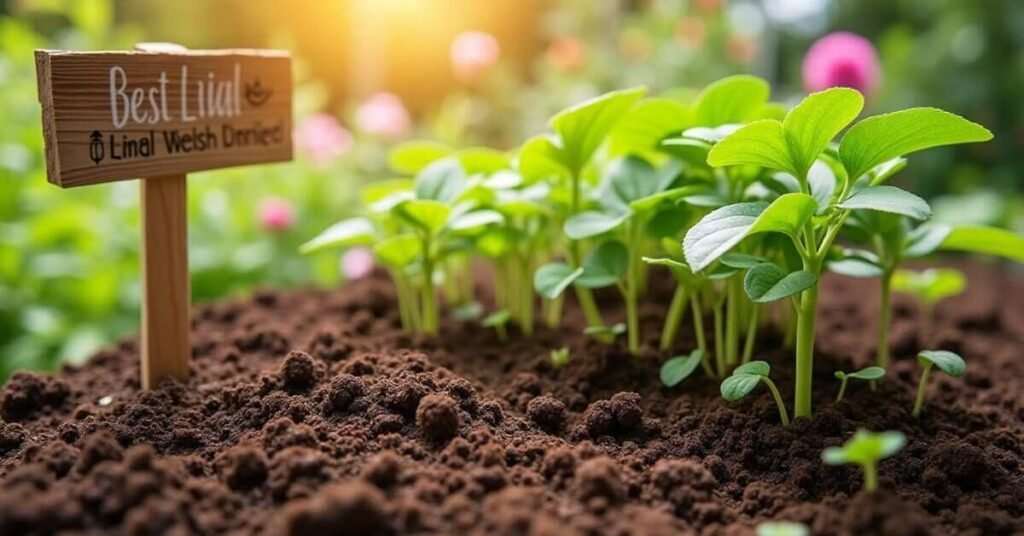
Lima beans grow best in soil that is loose and crumbly. They really dislike sitting in puddles, so it is important to choose a spot where water drains away quickly. If the ground is too hard or rocky, the roots will struggle to spread out and find nutrients.
Adding a bit of organic matter can make a huge difference for your harvest. These plants don’t need heavy fertilizers, but they do enjoy a healthy foundation. Here are a few things to keep in mind for your soil:
- Good Drainage: Make sure the water doesn’t pool around the stems after a rain.
- Warmth: These seeds love soil that has been warmed up by the spring sun.
- Neutral pH: They prefer soil that isn’t too acidic or too alkaline.
- Loose Texture: Sandy or loamy soil helps the delicate seeds sprout easily.
Plants Sunlight Needs
Lima beans are true sun-seekers that love soaking up the heat. They need plenty of bright light to grow strong stems and produce healthy pods. If they stay in the shade for too long, the plants might become weak or stop growing altogether.
To get the best harvest, make sure your garden spot is wide open to the sky. These plants do their best work when the sun is shining directly on their leaves for most of the day. This keeps the soil warm and helps the beans develop a rich, buttery flavor.
| Sunlight Requirement | Detail | Why It Matters |
| Daily Duration | 6 to 8 hours | Necessary for energy and growth. |
| Light Type | Full, direct sun | Prevents the vines from getting leggy. |
| Best Exposure | South-facing spots | Captures the strongest midday rays. |
| Temperature | 70°F to 85°F | Warmth from the sun triggers sprouting. |
| Morning Sun | Highly recommended | Dries dew to prevent mold or fungus. |
| Shade Tolerance | Very low | Too much shade leads to fewer bean pods. |
Lima Bean Plant Watering Guide
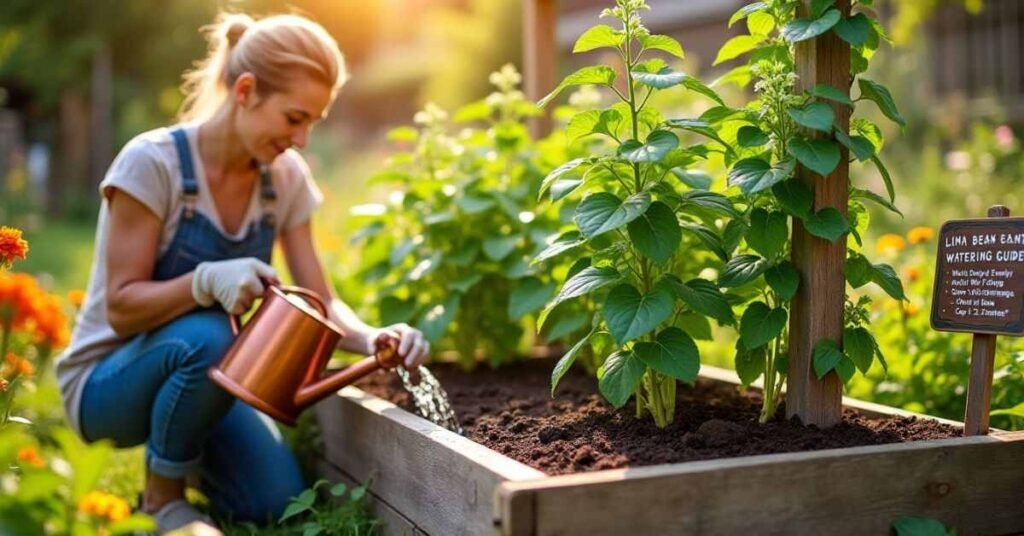
Watering your lima beans is all about finding a steady balance. These plants love consistent moisture, especially when they start to grow flowers and pods. You should check the soil every morning to see if it feels dry to the touch. If the top inch of dirt is dry, it is time to give them a good drink.
When you water, try to pour the liquid directly at the base of the plant. This keeps the leaves dry and helps prevent any unwanted mold or diseases. Here are a few simple tips to keep your beans hydrated and healthy:
- Water Early: Give your plants a drink in the morning so they stay cool during the hot afternoon sun.
- Keep it Steady: Aim for about an inch of water per week to keep the soil evenly moist.
- Avoid Puddles: Make sure the water soaks into the ground rather than sitting on top in a pool.
- Mulch the Base: Adding a little straw or wood chips helps hold the moisture in the soil for longer.
Lima Bean Plant Growth Stages
Watching a lima bean grow is a fast and exciting process. It starts with a tiny seed that wakes up and pushes its first roots into the soil. Within just a few days, you will see a small green sprout peek through the dirt. As the weeks pass, the plant grows much taller and develops thick, green leaves to catch the sunlight.
Once the plant is strong and healthy, it moves into the final steps of its journey. Small flowers will appear, which eventually turn into the long green pods we recognize. Here are the main milestones you will see in your garden:
- Germination: The seed absorbs water and the first tiny root breaks out.
- Seedling: The first leaves appear and the stem begins to reach upward.
- Vegetative Growth: The plant grows many more leaves and becomes bushier or starts to climb.
- Flowering: Small blossoms show up to attract bees for pollination.
- Pod Development: The flowers fade away and tiny green pods start to grow in their place.
- Maturation: The pods get plump and the beans inside are finally ready to be picked.
Lima Bean Plant Pests and Diseases
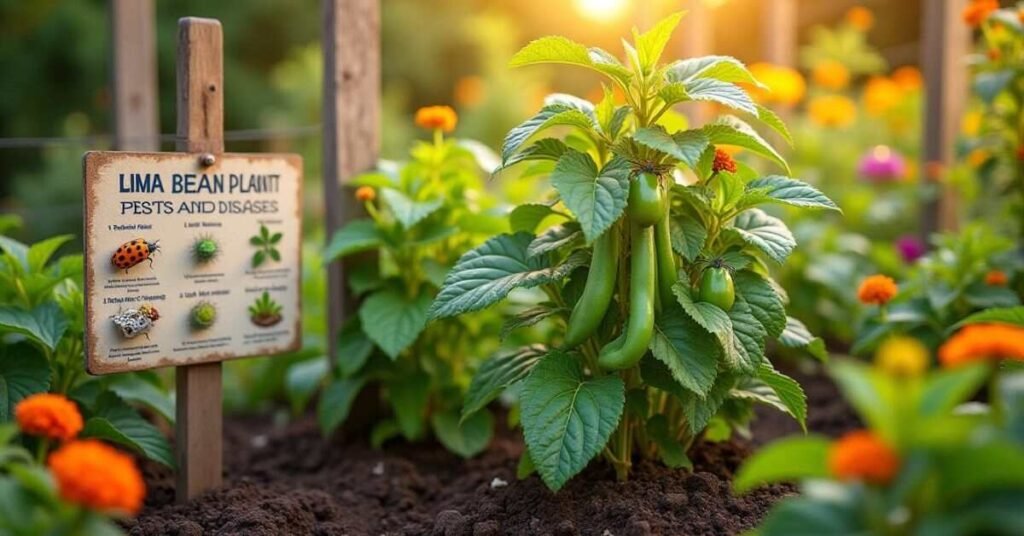
Keeping your lima beans healthy means watching out for unwanted visitors. Some tiny bugs love to snack on the leaves, which can make the plant weak. If you see holes in the foliage or sticky spots, it is time to take action. Most of these issues can be fixed by picking the bugs off by hand or using a gentle spray of water.
Diseases can also show up if the garden stays too wet for too long. You might notice strange spots on the leaves or a fuzzy coating that looks like flour. Choosing a sunny spot with good airflow is the best way to keep these problems away. If a plant looks very sick, it is often best to remove it so the rest of the garden stays safe.
| Common Issue | What to Look For | Simple Solution |
| Aphids | Tiny green or black bugs on stems | Spray them off with a garden hose. |
| Mexican Bean Beetle | Yellow or orange beetles with black spots | Using soapy water, pick them off. |
| Spider Mites | Tiny webs and yellow dots on leaves | Increase humidity or use insecticidal soap. |
| Powdery Mildew | White, dusty coating on the leaves | Improve airflow and water only at the base. |
| Root Rot | Yellowing leaves and mushy stems | Make sure the soil drains water quickly. |
| Leaf Miners | Wavy white lines inside the leaves | Remove and destroy any affected leaves. |
| Bean Rust | Small reddish-brown spots on leaf bottoms | Avoid touching wet plants and use clean tools. |
Lima Bean Plant Care Tips
Taking care of your lima beans is mostly about staying consistent. These plants are tough, but they perform best when you keep an eye on them every day. Providing a little bit of support and keeping the area clean will help your beans grow strong and healthy.
A happy garden starts with a few simple habits that save you time later. You can make a big difference in your harvest by following these basic steps:
- Remove Weeds: Pull up any extra grass or weeds so they don’t steal food and water from your beans.
- Add Mulch: Use a layer of straw or dried leaves to keep the soil cool and hold in moisture.
- Check Supports: Make sure your poles or trellises are steady so the climbing vines don’t fall over.
- Be Gentle: Avoid touching the leaves when they are wet to prevent spreading any garden sickness.
- Pick Early: Harvesting the first few pods quickly encourages the plant to grow even more beans.
Lima Bean Plant Companion Plants
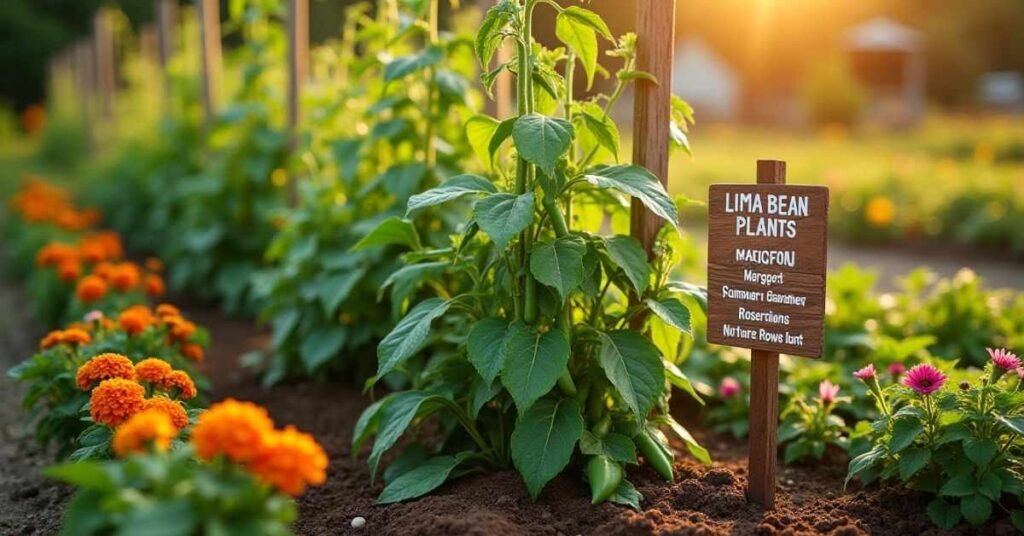
Companion planting is like finding the perfect best friends for your lima beans. Some plants grow better when they are placed next to each other in the garden. These friendly neighbors can help scare away bad bugs or even make the soil richer. When you group the right plants together, your whole garden stays much healthier and happier.
Adding flowers and vegetables around your beans is a smart way to save space. Some tall plants can act as natural poles for your beans to climb up. Other low-growing plants act as a living carpet to keep the ground cool and moist. Choosing the right companions makes gardening a lot easier and more fun for everyone.
| Companion Plant | Why Grow Them Together? | Benefit to Your Garden |
| Corn | Provides a tall, strong stalk. | Acts as a natural trellis for beans. |
| Marigolds | Have a very strong scent. | Repels bean beetles and other pests. |
| Cucumber | Shares similar water needs. | Uses garden space very efficiently. |
| Potatoes | Repels the Mexican bean beetle. | Protects the bean leaves from being eaten. |
| Rosemary | Masks the scent of the beans. | Confuses many common flying insects. |
| Summer Savory | Improves the final bean flavor. | Also helps deter small garden beetles. |
| Nasturtiums | Attracts beneficial ladybugs. | Keeps the aphid population under control. |
How to Harvest Lima Bean Plant
Harvesting your lima beans is the most exciting part of the process. You can pick them when the pods feel firm and look plump. It is important to check your garden every few days once the pods start to grow large. If you wait too long, the beans inside can become tough and lose their buttery taste.
When you are ready to collect your harvest, follow these simple steps to keep your plants healthy. Being gentle ensures the vines stay strong and continue to produce more beans:
- Check for fullness: Feel the pods to make sure the beans inside are large and round.
- Hold the vine: Use one hand to steady the plant so you don’t accidentally pull it out of the ground.
- Snip or pull: Gently snap the pod off at the stem or use a small pair of garden scissors.
- Keep picking: Regular harvesting encourages the plant to grow even more pods for later.
- Dry if needed: If you want dry beans, leave the pods on the plant until they turn brown and brittle.
Conclusion
Growing lima beans is a fun and simple way to start your own garden. You only need a little bit of sun, water, and patience to see great results. It feels amazing to pick your own fresh food right from the backyard.
Starting this journey will give you a healthy snack and a beautiful green space. Even if you are a beginner, these hardy plants are very forgiving. Give it a try this season and enjoy the creamy taste of your own homegrown beans!
FAQs
Growing lima beans takes how long?
Most varieties are ready to harvest in about 60 to 90 days. Bush beans usually grow faster than the climbing pole varieties.
Can I grow lima beans in a pot or container?
Yes, bush lima beans grow very well in large pots with good drainage. Make sure the container gets plenty of direct sunlight.
Why are the flowers falling off my bean plant?
Extreme heat or very dry soil can cause the blossoms to drop. Keep the soil moist and wait for the temperature to steady.
Do I need to soak the seeds before planting?
It is best not to soak them because they can easily crack or rot. Just plant them directly into warm, moist soil for the best results.
How do I know if the beans are ready to pick?
The pods should feel firm and look plump with visible bean bumps. They should snap easily off the vine when they are mature.

Jack Rivers is the founder of Plantsopedia, dedicated to making plant care simple, science-backed, and accessible for everyone. With a deep interest in botanical care and plant psychology, he specializes in rare tropical species and organic growth techniques, helping enthusiasts understand the soil, light, and biology behind every thriving plant. When he’s not experimenting with new propagation methods, Jack is busy turning complex horticultural science into practical, everyday advice for home gardeners