
Introduction
A Cover for Plants is any material used to shield your greenery from harsh weather. It acts like a protective blanket or an umbrella for your garden. These covers help maintain a steady temperature around the leaves and roots. Whether it’s a fabric sheet or a plastic dome, the goal is to keep your plants safe.
Have you ever spent weeks nurturing a beautiful garden only to have a single frost or a heatwave ruin it? It is heartbreaking to see your hard work wither away in just a few hours. Nature can be unpredictable, but your garden’s survival doesn’t have to be a gamble. Learning how to cover your plants properly is the best way to “weather-proof” your backyard.
This guide will walk you through the best methods for protecting your plants year-round. We will explore different materials like burlap, frost cloths, and shade nets. You’ll also learn exactly when to wrap them up and when to let them breathe. With a few simple tricks, you can keep your garden thriving in any season.
Best Covers for Plants: Top Choices
Choosing the right material depends on the weather outside. For freezing nights, frost blankets and burlap are excellent choices because they trap heat while letting the plant breathe. If you are on a budget, old bedsheets or heavy towels work surprisingly well for a quick fix. Just avoid using plastic directly on the leaves, as it can trap moisture and cause rot.
When the sun is scorching, shade cloths are your best friend. These mesh covers block intense UV rays but still allow air to circulate. For smaller potted plants, simple wooden crates or cardboard boxes can provide a temporary break from the heat. The key is to pick a cover that protects the plant without smothering it.
DIY Cover for Plants on a Budget
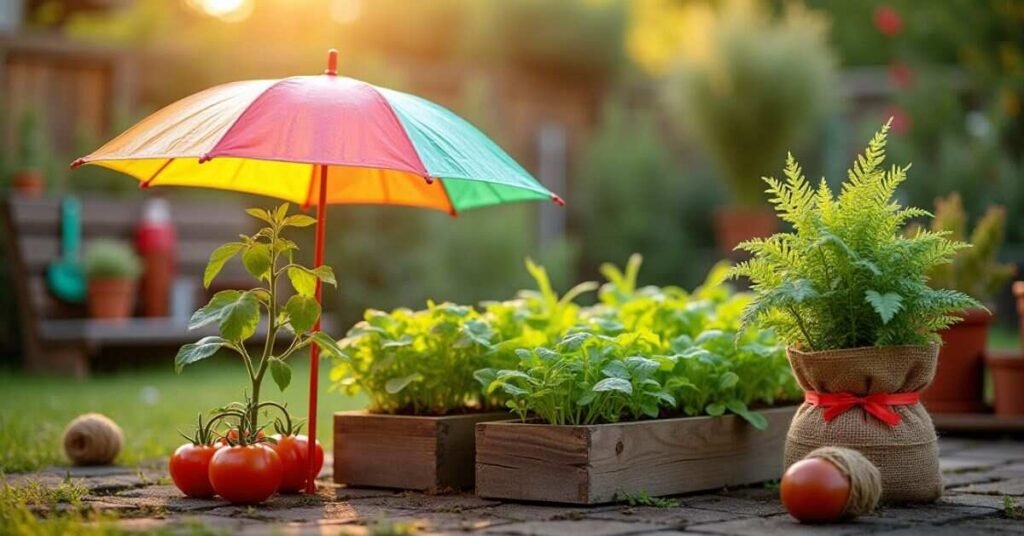
You do not need to spend a lot of money to keep your garden safe. Many items already sitting in your house can work as great Cover for Plants protectors. Old blankets, worn-out bedsheets, and even large cardboard boxes make excellent shields against the cold. For smaller plants, you can recycle plastic soda bottles by cutting off the bottom to create a mini greenhouse. These DIY methods are effective and help reduce waste at the same time.
Using everyday items is a smart way to garden without breaking the bank. Just make sure the materials are lightweight enough so they do not crush the stems. Here are a few common household items you can use as budget-friendly covers:
- Old Bedspreads: These are perfect for covering large rows of plants during a frost.
- Cardboard Boxes: Simply flip them over a plant to block freezing wind or harsh sun.
- Milk Jugs: Cut the bottom off and place them over seedlings to keep them warm.
- Burlap Sacks: These provide great insulation while still allowing some airflow.
- Laundry Baskets: Use these upside down to provide shade or protection from light hail.
Protect Cover for Plants from Frost with Covers
Frost can damage or kill your favorite plants in a single night. Using a cover acts like a warm blanket to trap the heat rising from the soil. It is best to put the covers on in the late afternoon before the sun goes down completely. This helps catch the last bit of warmth to keep your garden cozy through the freezing hours. Make sure the material reaches all the way to the ground to seal the heat inside.
When the sun comes out the next morning, remember to remove the covers fairly early. If you leave them on too long, the area underneath can heat up too fast and stress the plant. Breathable fabrics like burlap or old sheets are much safer than plastic for this job. Plastic can touch the leaves and actually freeze them, so stick to soft materials whenever possible. This simple routine will help your garden survive even the coldest winter nights.
Materials Used for Plant Covers
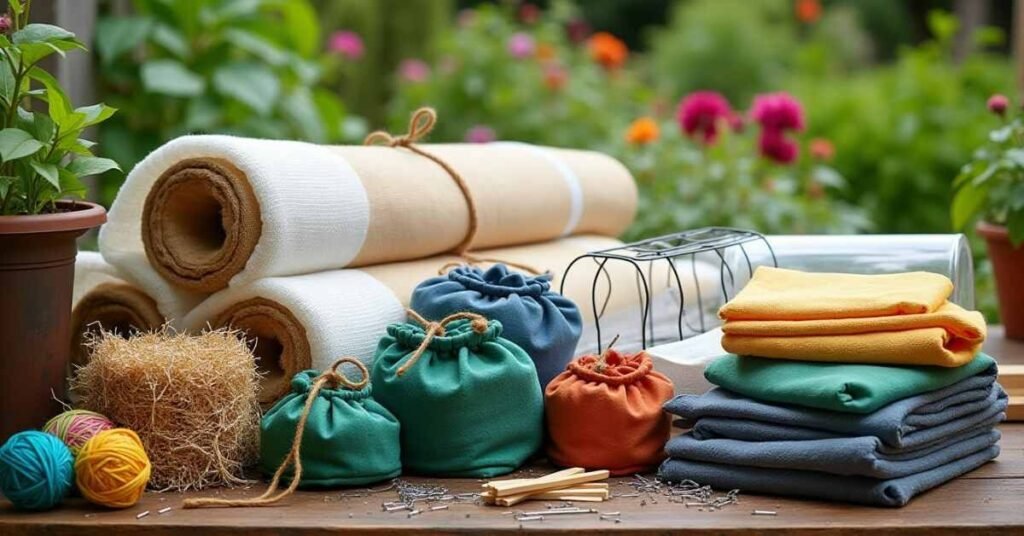
The material you choose for a plant cover makes a big difference in how well it works. Lightweight fabrics are great for keeping insects away or providing light shade without weighing down stems. Heavier materials like burlap or thick blankets are better for trapping heat when the temperature drops. Always think about how much light and air the plant still needs while it is covered.
Using the right fabric helps your garden stay healthy throughout the changing seasons. Some materials are designed to let rain through, while others are meant to block wind and snow. Below is a list of common materials and how they help your plants stay safe and strong.
| Material | Best Use | Key Benefit |
| Burlap | Heavy Frost & Wind | Very breathable and provides great insulation. |
| Frost Cloth | Freezing Nights | Specifically made to trap heat while letting light in. |
| Shade Cloth | Extreme Heat | Blocks UV rays and prevents leaves from burning. |
| Plastic Sheeting | Heavy Rain or Snow | Waterproof, but must not touch the leaves directly. |
| Old Bedspreads | Budget Protection | Easy to find at home and good for overnight frost. |
| Garden Fleece | Seedlings | Very light and protects young plants from cold and pests. |
| Cardboard Boxes | Quick Windbreak | Great for blocking cold gusts on small, individual plants. |
| Window Screens | Light Shade | Provides a tiny bit of shade and keeps bugs off leaves. |
Covers for Plants in Summer Heat
The summer sun can be very intense for many garden plants. Using a light cover helps block the strongest UV rays from burning delicate leaves. These covers act like a personal beach umbrella for your greenery. They keep the soil from drying out too fast by slowing down evaporation. Cover for Plants will stay much cooler even when the temperature climbs.
Shade cloths are the most popular choice for beating the summer heat. These mesh fabrics allow plenty of fresh air to move around the stems. This prevents the area under the cover from getting too stuffy or humid. It is important to set them up a few inches above the plants to provide plenty of room. This simple step keeps your garden lush and green all through the hottest months.
How to Use Cover for Plants Effectively
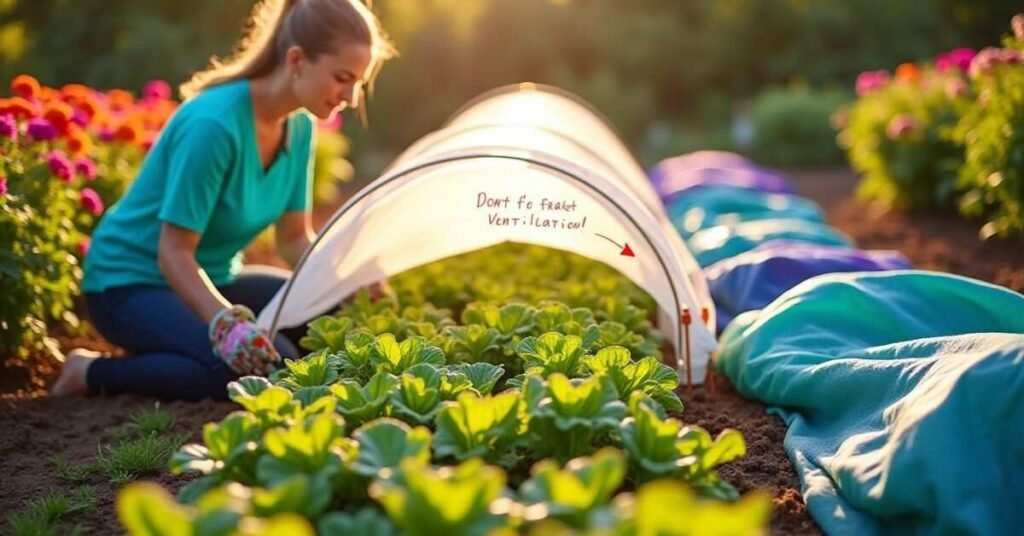
Using Cover for Plants correctly is just as important as choosing the right material. You should always try to set up your covers in the late afternoon. This timing helps trap the warmth from the ground before the air gets too chilly. Make sure the cover reaches all the way down to the soil and is secured firmly. This creates a cozy pocket of air that acts as insulation for your greenery.
It is also vital to monitor the weather so you know when to take the covers off. If the sun comes out and stays up, the area underneath can get too hot very quickly. Plants still need fresh air and light to grow strong throughout the day. Here are a few simple tips to help you get the best results:
- Use Stakes: Keep the material from touching the leaves to prevent freezing or rot.
- Secure the Edges: Use heavy stones or bricks to stop the wind from blowing the covers away.
- Check the Soil: Peek under the cover to make sure the dirt is still moist but not soaked.
- Remove Early: Take off heavy blankets once the temperature rises above freezing in the morning.
- Ventilation: Leave a small gap for airflow if you are using plastic covers during the day.
Affordable Garden Cover for Plants Online
Buying Cover for Plants online is a great way to save money and prepare for the season. Many websites offer lightweight frost blankets and shade cloths at very low prices. You can often find deals on large rolls of fabric that you can cut to fit your specific garden beds. Shopping online also allows you to read reviews from other gardeners to see which materials last the longest. It is a smart move to buy your covers a few months early to catch the best sales.
There are several trusted stores where you can find budget-friendly protection for your greenery. Popular options like Amazon, Walmart, and Home Depot carry a wide variety of reusable covers. If you are looking for specific sizes, sites like Greenhouse Megastore or specialty garden shops offer bulk discounts. You can find everything from simple drawstring bags for individual pots to giant rolls for large vegetable rows. Here are some common affordable items to look for:
- Floating Row Covers: These are very cheap and perfect for protecting long rows of veggies.
- Frost Fleece Jackets: These often come with zippers and are great for small trees or shrubs.
- Pop-Up Tents: These are easy to set up and provide instant shelter for sensitive flowers.
- Bulk Burlap Rolls: A classic choice that is both natural and very affordable for winter prep.
- Mesh Netting: Ideal for summer use to block bugs and provide a little bit of shade.
Reusable vs Disposable Cover for Plants
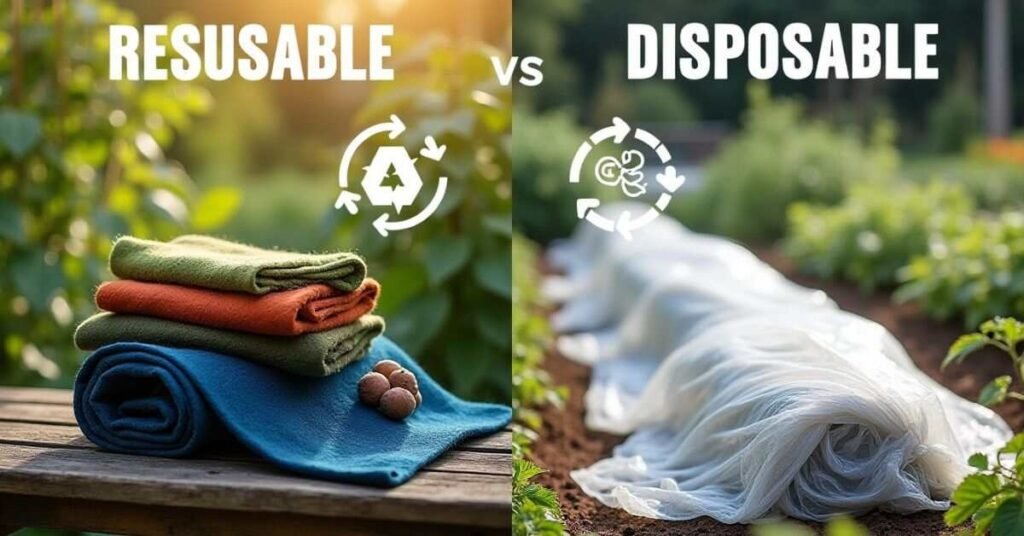
Choosing between reusable and disposable plant covers depends on your budget and how often you garden. Reusable Cover for Plants are usually made of thicker materials like heavy-duty plastic or woven fabric. These options cost more at first but can stay in your shed for many years. They are great for areas with predictable seasons where you know you will need protection every winter.
Disposable covers are often very thin and lightweight, making them perfect for a sudden frost. These are usually made of paper or very thin plastic that might only last one or two uses. While they are very cheap, they can tear easily in high winds or heavy rain. Using disposable options is a good choice if you only have a few plants or a very small garden space.
| Feature | Reusable Covers | Disposable Covers |
| Initial Cost | Higher upfront price | Very low and budget-friendly |
| Material | Heavy fabric, burlap, or thick plastic | Thin plastic, paper, or light fleece |
| Durability | Lasts for several seasons | Usually lasts for one or two uses |
| Storage | Needs cleaning and a dry place to store | Can be recycled or tossed after use |
| Protection Level | Excellent for extreme cold and wind | Best for light frost or temporary shade |
| Eco-Friendliness | Reduces waste over a long period | Creates more trash for the landfill |
| Weight | Can be heavy and needs a frame | Extremely light and easy to drape |
| Maintenance | Requires washing and drying | No maintenance required |
Tips from Gardeners for Cover for Plants
Experienced gardeners know that timing is everything when it comes to Cover for Plants. They suggest checking the weather forecast every evening during the changing seasons. It is much easier to set up your covers while it is still light outside. Many successful gardeners use tall wooden stakes to keep the fabric from touching the delicate leaves. This prevents moisture from freezing directly on the plant and causing cold spots.
Sharing advice with neighbors can also help you find the best local tricks. Some people find that double-layering thin sheets provides better insulation than one thick blanket. Others swear by placing a large bucket of water under the cover to help regulate the temperature. Here are a few expert tips to keep your garden thriving:
- Use Clamps: Large binder clips or clothespins are great for holding fabric to a frame.
- Warm the Soil: Water your plants lightly before a frost, as moist soil holds more heat.
- Avoid Plastic: Never let plastic touch your plants because it can conduct the cold.
- Ventilate Daily: Lift the edges of your covers during the day to let fresh air circulate.
- Label Your Covers: Mark your frost cloths and shade nets so you can find them quickly.
How to Choose the Right Cover for Plants for Your Garden
Finding the perfect cover starts with knowing your local weather. You should look at the specific needs of each plant in your backyard. Some flowers only need a light screen to block the afternoon sun. Other shrubs might need a heavy blanket to survive a long, icy winter. Choosing the right thickness ensures your plants stay comfortable without getting too hot or too cold.
You also want to consider how easy the material is to move and store. If you have a large garden, lightweight rolls of fabric are much easier to handle. For a few porch pots, individual frost bags with drawstrings might be the best choice. Make sure the material is durable enough to handle a bit of wind. A well-chosen cover will save you time and keep your garden looking beautiful all year.
Conclusion
Keeping your plants safe from the heat and cold does not have to be a difficult chore. With the right materials and a little bit of planning, you can protect your garden from any weather. Whether you use store-bought cloths or simple items from around your house, your plants will thank you. Taking a few minutes to cover them up today ensures your garden stays green and healthy for a long time.
Investing in good Cover for Plants is a smart way to protect your hard work and save money on new plants. It is a rewarding feeling to see your garden survive a harsh storm or a scorching summer day. Remember to keep an eye on the weather and be ready to act when the temperature changes. A happy, thriving garden starts with giving it the extra care it needs during the toughest seasons.
FAQs
Is it possible to Cover for Plants with plastic?
You can use plastic, but it must not touch the leaves directly. It is better to use a frame to keep the plastic from freezing the plant.
How should I Cover for Plants?
It is best to put covers on in the late afternoon before the sun sets. This helps trap the natural heat from the ground inside the cover.
Do I need to take the covers off during the day?
Yes, you should remove them once the temperature rises above freezing. This lets your plants get fresh air and prevents them from overheating.
Is it okay to use old bedsheets to protect plants?
Old bedsheets are great for light frost and are very budget-friendly. They are breathable and easy to layer for extra warmth on cold nights.
How do I stop my Cover for Plants from blowing away?
You can use heavy stones, bricks, or garden staples to pin the edges to the ground. Clothespins also work well to clip fabric to a wooden frame or fence.

Jack Rivers is the founder of Plantsopedia, dedicated to making plant care simple, science-backed, and accessible for everyone. With a deep interest in botanical care and plant psychology, he specializes in rare tropical species and organic growth techniques, helping enthusiasts understand the soil, light, and biology behind every thriving plant. When he’s not experimenting with new propagation methods, Jack is busy turning complex horticultural science into practical, everyday advice for home gardeners