Introduction
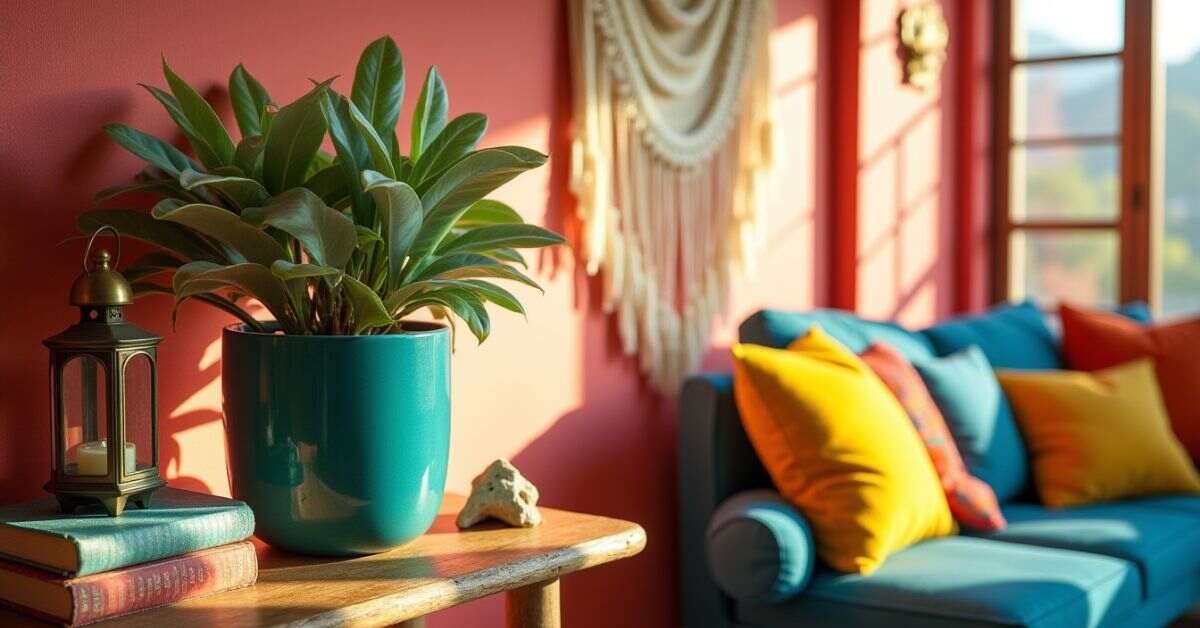
The Mermaid Plant, often known by its botanical name Serecio vitalis, is a stunning succulent famous for its blue-green, needle-like leaves. These upright leaves fan out in a way that mimics a mermaid’s tail or underwater coral. It is a hardy plant that loves sunlight and requires very little water to thrive.
Imagine bringing the calming mystery of the ocean right into your living room. Most indoor plants are just splashes of green, but the Mermaid Plant offers a unique, sculptural look that instantly grabs your attention. It’s the perfect conversation starter for anyone who wants a home that feels both modern and magical.
Styling this plant is all about playing with textures and seaside vibes. Whether you place it in a minimalist ceramic pot or a rustic hanging basket, it adds an effortless elegance to any shelf or windowsill. Here are a few creative ways to turn this “sea-inspired” succulent into a focal point for your interior design.
Mermaid Plant Care Guide
Taking care of a Mermaid Plant is very easy, even if you are new to gardening. These plants love bright, indirect sunlight to keep their beautiful blue-green color. Since they are succulents, they store water in their leaves and do not like to sit in wet soil. You should only water them when the soil feels completely dry to the touch.
Make sure you use a pot with good drainage holes so the roots stay healthy. These plants grow best in a sandy soil mix that lets water flow through quickly. They do not need much feeding, so a little bit of fertilizer once in the spring is enough. Just give them a sunny spot and plenty of fresh air, and they will stay happy for a long time.
Mermaid Plant Types
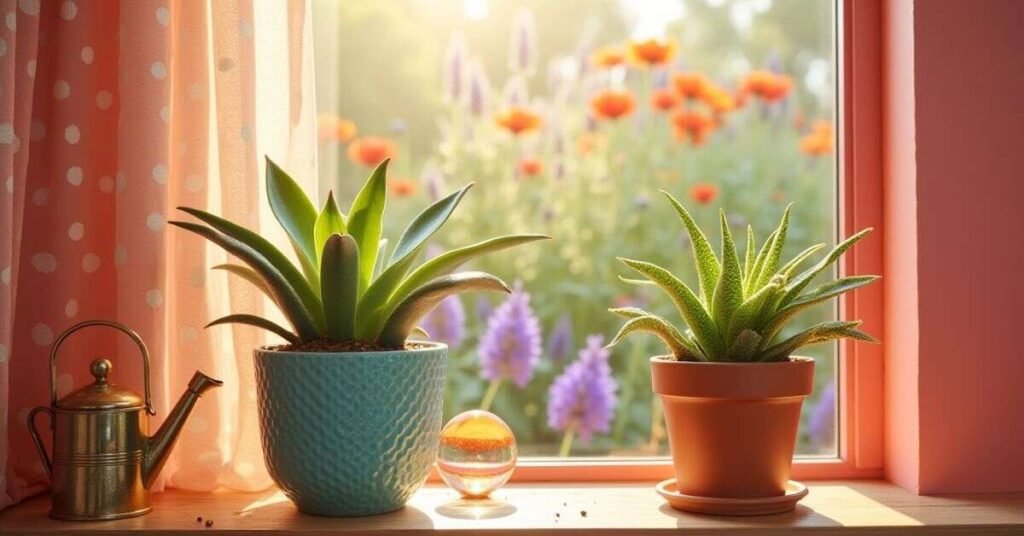
The Mermaid Plant family has several beautiful varieties that look like they belong under the sea. Some types grow tall and straight with thin, blue needles that look like sea grass. Others have a flatter shape that spreads out wide like a real mermaid’s tail. Each variety has its own special look, but they all share that same ocean-inspired charm.
Choosing the right type depends on the space you have in your home. Some versions stay small and look great on a desk or a tiny shelf. Larger varieties can grow into thick bushes that fill up empty corners perfectly. No matter which one you pick, these plants bring a cool and refreshing vibe to any room.
| Variety Name | Common Name | Key Features | Best Placement |
| Senecio vitalis | Narrow-Leaf Chalksticks | Long, thin blue-green leaves that point upward. | Sunny windowsills or desks. |
| Senecio serpens | Blue Chalksticks | Short, thick blue leaves that form a low carpet. | Small pots or mixed succulent bowls. |
| Senecio ficoides | Large Chalksticks | Wider leaves with a very strong silver-blue tint. | Large floor planters. |
| Senecio vitalis ‘Serpents’ | Crested Mermaid Tail | A rare mutation that grows in a wide, wavy fan shape. | Focal point on a mantel or shelf. |
| Senecio mandraliscae | Blue Finger | Intense blue color with very long, finger-like leaves. | Hanging baskets or tall containers. |
Mermaid Plant Light Needs
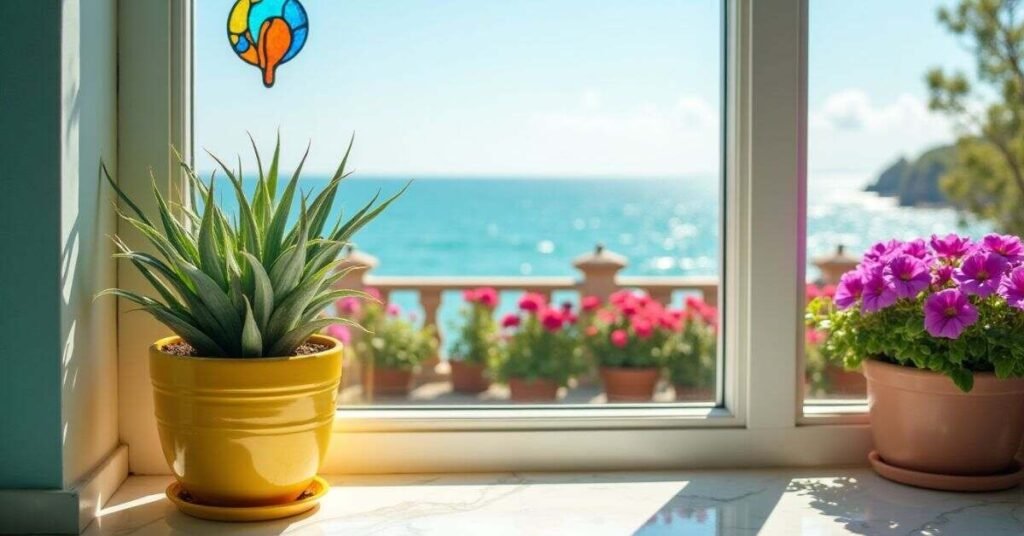
The Mermaid Plant absolutely loves the sun and needs plenty of light to stay healthy. In their natural habitat, these plants soak up rays all day long. When you keep them indoors, a spot near a south-facing window is usually the best choice. If they do not get enough light, their beautiful blue color might fade into a dull green, and the stems can become stretched out.
While they enjoy brightness, you have to be careful with very hot, direct afternoon sun. If the sun is too intense through glass, it can sometimes scorch the delicate leaves. It is a good idea to watch how the plant reacts during different seasons. If you see it leaning toward the window, it is telling you it wants a bit more sunshine.
- Bright Indirect Light: This is the “sweet spot” for most indoor setups.
- Direct Morning Sun: This helps the plant grow strong without the risk of burning.
- Rotate Regularly: Turn the pot every week so all sides get equal light.
- Artificial Lights: Use a grow light if your room is naturally dark or during winter.
Mermaid Plant Watering Tips
Watering a Mermaid Plant is all about balance and patience. These plants are succulents, which means they store plenty of moisture inside their thick leaves. The biggest mistake you can make is giving them too much water too often. It is always better to let the soil dry out completely before you even think about reaching for your watering can.
When you do water them, make sure to soak the soil thoroughly until water comes out of the bottom of the pot. The roots grow deeper and stronger as a result. During the winter, the plant rests and needs even less water than usual. If the leaves start to look wrinkled, your plant is likely thirsty, but if they feel mushy, you might be overwatering.
- Check the Soil: Stick your finger two inches into the dirt to ensure it is bone dry.
- Drainage is Key: Always use a pot with holes so extra water can escape.
- Avoid the Leaves: Try to pour water directly onto the soil rather than over the foliage.
- Seasonal Changes: Water more often in the hot summer and very rarely in the cold months.
Best Soil for Mermaid Plant
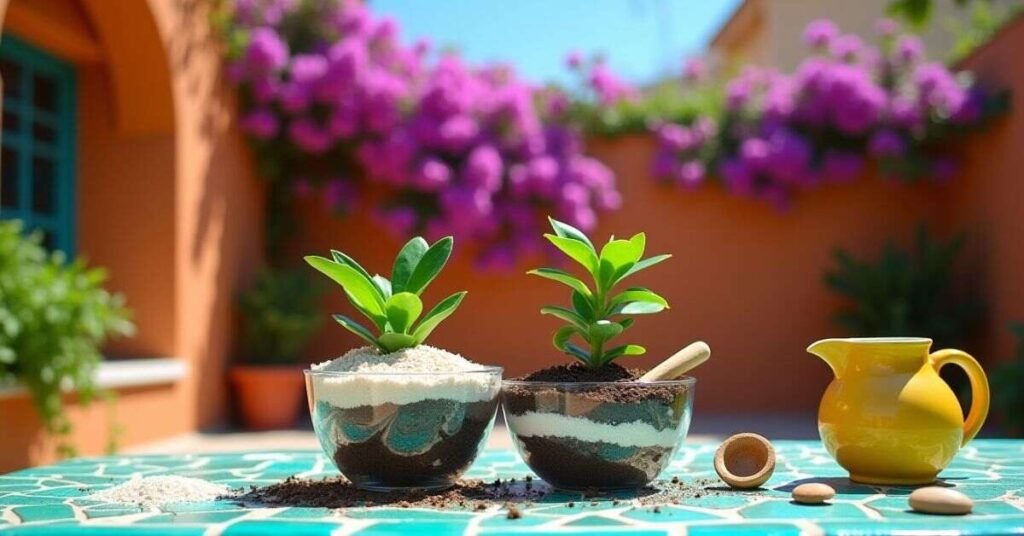
The right soil is the secret to a healthy Mermaid Plant. These plants hate having “wet feet,” which means their roots should never sit in soggy dirt. You need a soil mix that is very gritty and allows water to flow through almost instantly. If the soil is too heavy or holds too much moisture, the roots can rot quickly.
You can easily make your own perfect mix at home. A good blend usually includes regular potting soil mixed with plenty of sand or perlite. This creates small air pockets that help the roots breathe. Using the right dirt makes caring for your plant much easier because it prevents most watering problems before they even start.
| Soil Component | Why It Is Important | How Much to Use |
| Potting Soil | Provides the basic nutrients for growth. | 40% of the mix. |
| Coarse Sand | Helps water drain away from the roots fast. | 20% of the mix. |
| Perlite or Pumice | Adds air pockets and keeps the soil light. | 30% of the mix. |
| Peat Moss | Holds just enough moisture without being wet. | 10% of the mix. |
| Gravel/Small Stones | Can be added to the bottom for extra drainage. | A thin layer. |
Mermaid Plant Benefits
The Mermaid Plant is more than just a pretty face for your bookshelf. One of its best features is how it helps clean the air inside your home. Like many succulents, it works quietly to remove small toxins from the atmosphere. Having these plants around can make your living space feel fresher and more relaxing after a long day.
Another great benefit is how easy they are to maintain. They do not demand much of your time or energy, which makes them perfect for busy people. Watching them grow and change colors can also be a wonderful way to reduce stress. They bring a little piece of nature’s beauty indoors without requiring expert gardening skills.
- Air Purification: They naturally filter the air to keep your environment healthy.
- Low Maintenance: These plants are very hardy and hard to kill.
- Unique Decor: Their ocean-like look adds a special style to any room.
- Stress Relief: Caring for indoor greenery is known to boost your mood.
Mermaid Plant Problems
Even though the Mermaid Plant is tough, it can still run into a few issues. The most common problem is overwatering, which leads to root rot. You might notice the base of the plant turning brown or feeling soft. Another issue is a lack of light, which makes the plant grow tall and thin instead of staying full and bushy.
Pests like mealybugs can sometimes hide in the leaves, looking like tiny bits of white cotton. If you see yellowing leaves, it could be a sign that the plant is stressed from a sudden change in temperature. It is important to check your plant once a week to catch these small problems early. This keeps your plant looking vibrant and healthy all year round.
- Mushy Stems: This is a clear sign of too much water and potential rot.
- Stretching: If the plant leans or grows long gaps between leaves, it needs more sun.
- Wrinkled Leaves: This usually means the plant is very thirsty and needs a drink.
- White Fuzz: Look out for tiny insects that can damage the plant’s growth.
- Leaf Drop: Sudden cold drafts or moving the plant too much can cause leaves to fall off.
Mermaid Plant Indoor Care
Keeping a Mermaid Plant happy indoors is all about finding the perfect spot. It needs a place that gets plenty of bright light, like a window that sees the sun for most of the day. If the room is too dark, the plant will lose its compact shape and its striking blue color. Make sure the air can circulate well around the plant to prevent any moisture from sitting on the leaves.
Temperature is also important when growing this succulent inside your home. It prefers warm environments and does not like cold drafts from air conditioners or chilly windows in the winter. You should also keep it away from heaters that can dry out the air too much. As long as you provide a steady, warm temperature and lots of light, your Mermaid Plant will thrive as a beautiful piece of living decor.
Mermaid Plant Propagation
Growing new Mermaid Plants is an exciting and simple project. The easiest way to do this is by taking stem cuttings from a healthy plant. You just need to snip off a small piece of the stem and let it sit in a dry place for a few days. This allows the cut end to heal and form a “callus,” which prevents the plant from rotting when you put it in the dirt.
Once the end is dry, you can tuck the cutting into a pot filled with sandy succulent soil. Do not water it immediately, as the new roots need a little time to start growing. Keep the pot in a bright spot but out of direct, hot sun for the first few weeks. With a little patience, you will see new growth, and you will have a brand-new Mermaid Plant to enjoy or share with a friend.
Mermaid vs Coral Cactus Plant
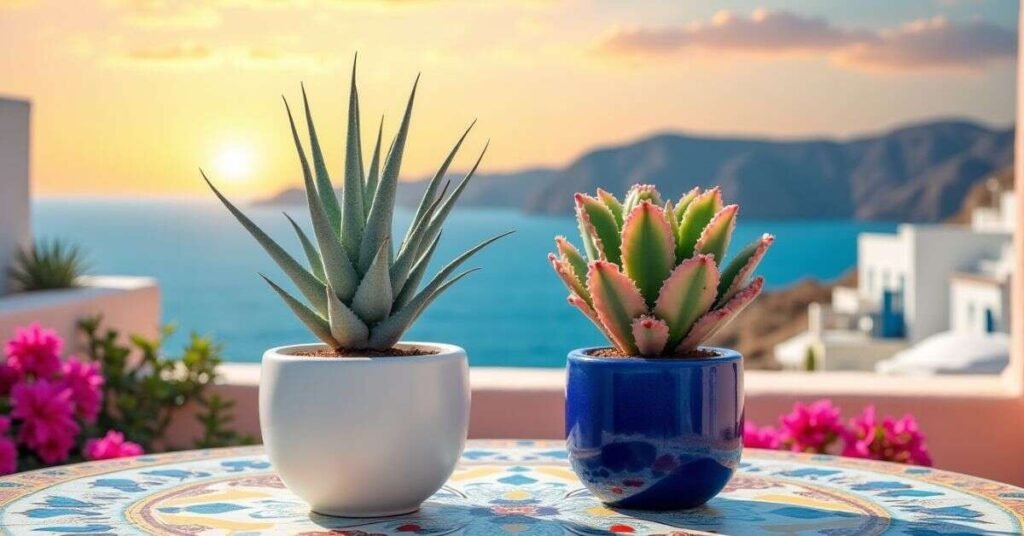
The Mermaid Plant and the Coral Cactus both look like they belong in a deep-sea reef. The Mermaid Plant has long, blue-green needles that fan out in a beautiful way. It feels very smooth and looks soft from a distance. On the other hand, the Coral Cactus has a wide, crinkly top that looks like a wavy fan. It is actually two different plants joined together, which gives it a very strange and cool appearance.
While they both look like coral, they have different personalities. The Mermaid Plant is a bit more relaxed and grows faster in the right light. The Coral Cactus is very slow-growing and can be a bit more delicate. Both plants love the sun and do not need much water. Choosing between them depends on whether you like the needle-like look of the Mermaid or the ruffled, brain-like shape of the Coral Cactus.
| Feature | Mermaid Plant | Coral Cactus |
| Scientific Name | Senecio vitalis | Euphorbia lactea cristata |
| Growth Shape | Upright, needle-like leaves. | Wavy, fan-shaped crest. |
| Texture | Smooth and slightly waxy. | Hard with tiny sharp spines. |
| Color | Silvery blue or sea-foam green. | Green with pink, white, or purple edges. |
| Ease of Care | Very easy and hardy. | Moderate; sensitive to overwatering. |
| Growth Rate | Moderate to fast. | Very slow. |
| Sunlight | Loves bright, direct light. | Prefers bright, indirect light. |
| Watering | Only when soil is bone dry. | Very little water; prone to rot. |
Mermaid Plant vs Coral Cactus: Main Differences
The Mermaid Plant and the Coral Cactus have very different shapes and textures. The Mermaid Plant grows long, thin leaves that look like blue-green needles reaching for the sky. It has a soft, sea-grass appearance that feels smooth to the touch. The Coral Cactus is actually a mutation that grows in a wide, wavy fan shape with ruffled edges. It often has tiny sharp spines and looks more like a hard piece of reef than a soft plant.
Their growth habits are also quite distinct from each other. Mermaid Plants tend to grow much faster and are easier to multiply through simple cuttings. The Coral Cactus grows very slowly and is usually grafted onto a different plant base to help it survive. While both love bright light, the Coral Cactus is much more sensitive to cold and overwatering. Understanding these differences helps you decide which “ocean look” fits your home and your schedule best.
- Leaf Shape: Mermaid Plants have finger-like needles, while Coral Cacti have flat, wavy fans.
- Touch: Mermaid Plants are smooth and waxy; Coral Cacti are hard and can be prickly.
- Growth Speed: The Mermaid Plant grows at a moderate pace, but the Coral Cactus is very slow.
- Structure: Mermaid Plants grow on their own stems, whereas Coral Cacti are often grafted onto a rootstock.
- Colors: Mermaid Plants stay mostly silvery-blue, but Coral Cacti can show shades of pink, white, or green.
Mermaids vs Coral Cactus: Care Guide Comparison
Caring for these two ocean-like plants is similar, but they do have some small differences. Both plants belong to the succulent family, so they hate being overwatered. The Mermaid Plant is very hardy and can handle a bit more direct sunlight without getting burned. It is a great choice for beginners because it is very forgiving if you forget to water it for a few weeks.
The Coral Cactus is a bit more sensitive and needs a gentle touch. It prefers bright, indirect light rather than the hot afternoon sun, which can damage its colorful edges. Because it is often two plants joined together, it can be more prone to rot if the soil stays wet for too long. If you provide both plants with a warm spot and very little water, they will stay healthy and look beautiful for a long time.
- Sunlight Needs: Mermaid Plants love direct sun; Coral Cactus prefers bright but filtered light.
- Watering Schedule: Both should only be watered when the soil is completely dry.
- Temperature: Keep both plants away from cold drafts and frost.
- Soil Choice: Use a fast-draining cactus or succulent mix for both varieties.
- Feeding: A small amount of fertilizer once in the spring is plenty for both.
Conclusion
Adding a Mermaid Plant to your home is a wonderful way to bring a touch of the ocean indoors. These unique succulents are beautiful, hardy, and very easy to look after. Whether you are a busy professional or a beginner gardener, they offer a stylish look without requiring much effort. By following a few simple tips for light and water, you can enjoy their calming presence for many years.
In the end, the best part of indoor gardening is finding plants that match your personality and space. The Mermaid Plant stands out because of its sculptural shape and refreshing blue-green color. It is more than just a decoration; it is a living piece of art that cleans your air and brightens your mood. Start with one small pot today, and you will quickly see why so many people love these magical “sea-inspired” plants.
FAQs
Q1. How often should I water my Mermaid Plant?
You should only water it when the soil is completely dry, which is usually every two to three weeks. In the winter, you can wait even longer between waterings.
Q2. Does the Mermaid Plant need direct sunlight?
Yes, it loves bright, direct light for at least six hours a day to keep its blue color. If it stays in the dark, it will become pale and stretch out.
Q3. Is the Mermaid Plant safe for pets?
No, this plant is considered toxic if eaten by cats or dogs. It is best to keep it on a high shelf where your pets cannot reach it.
Q4. Why are the leaves on my plant turning yellow or soft?
This is usually a sign of overwatering or poor drainage. Stop watering immediately and let the soil dry out completely to save the roots.
Q5. Can I grow a Mermaid Plant from a single leaf?
It is much easier to grow a new one from a stem cutting than a single leaf. Just let the cut stem dry for a few days before planting it in sandy soil.

Jack Rivers is the founder of Plantsopedia, dedicated to making plant care simple, science-backed, and accessible for everyone. With a deep interest in botanical care and plant psychology, he specializes in rare tropical species and organic growth techniques, helping enthusiasts understand the soil, light, and biology behind every thriving plant. When he’s not experimenting with new propagation methods, Jack is busy turning complex horticultural science into practical, everyday advice for home gardeners