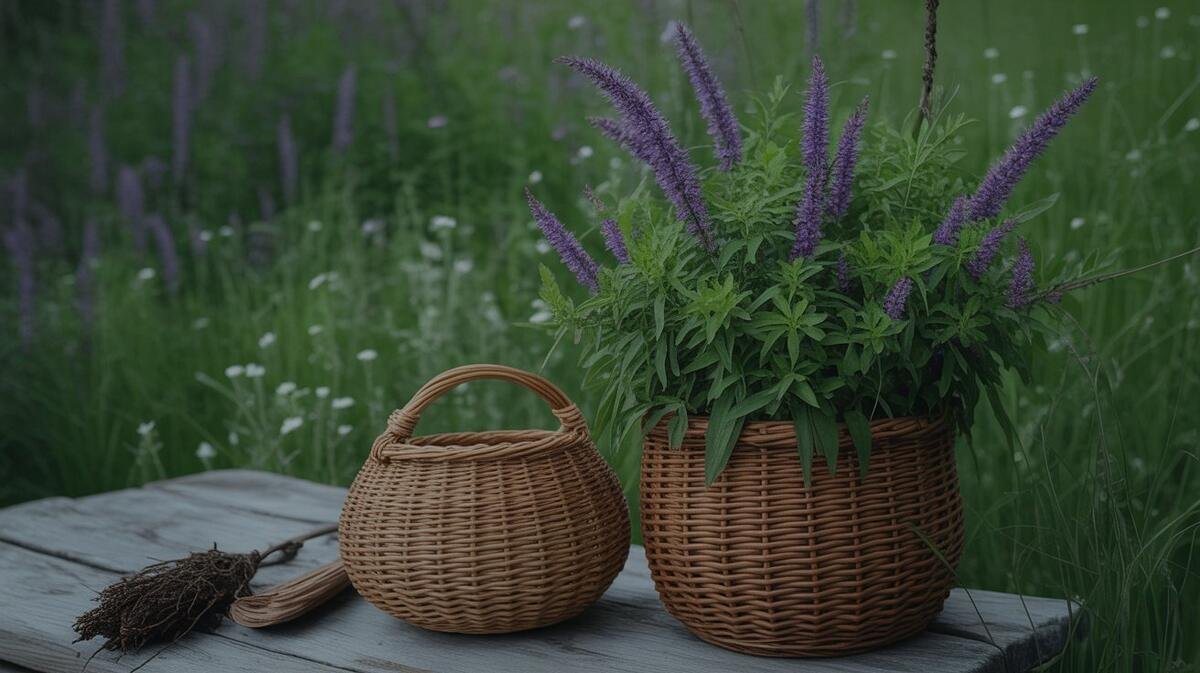
Witch plants continue attracting attention because they blend folklore, herbal traditions, natural beauty, and gothic garden aesthetics in a way that still feels timeless today. People often grow these plants because they enjoy mysterious gardens, calming herbal fragrances, and old countryside traditions connected with nature. Over the years, herbs like lavender, rosemary, sage, and mugwort became symbols of protection, healing, mystery, and ancient storytelling.
Modern gardeners no longer see witch plants only as fantasy-inspired herbs. Many people now use them to create peaceful outdoor spaces filled with texture, fragrance, and atmosphere. Cottagecore gardens, gothic landscaping, and herbal gardening trends have also increased interest in plants connected with folklore and symbolic meanings.
I became interested in witch plants after visiting a small countryside herb garden during autumn. The garden looked simple at first, but the atmosphere changed completely once evening arrived. Cold wind moved through tall rosemary bushes while dried lavender hung beside old wooden windows. The owner explained the stories connected with different herbs, and suddenly the entire garden felt more meaningful. That experience made me realize why people still feel fascinated by folklore plants centuries later.
Why People Connected Certain Plants With Witches
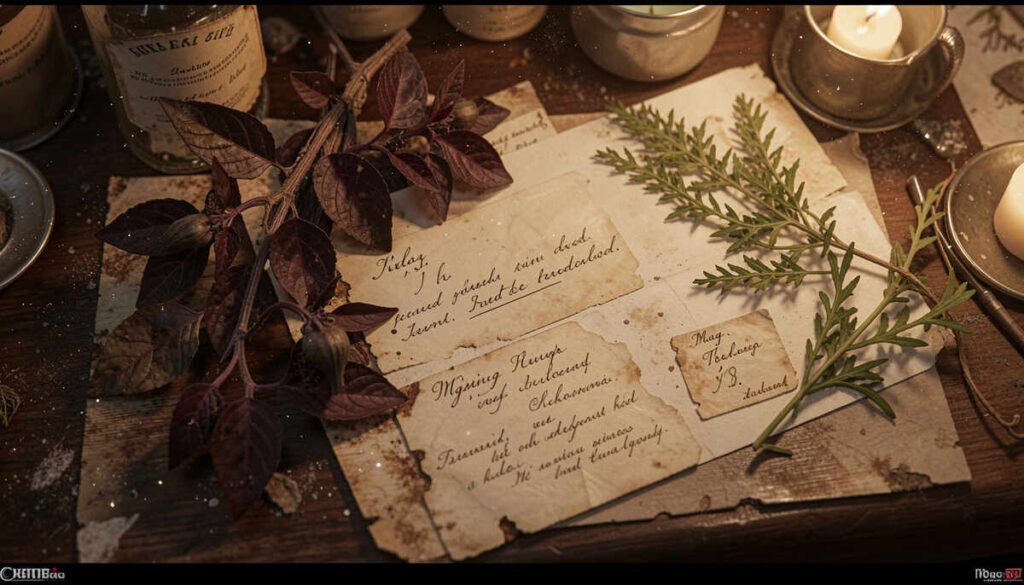
The connection between witches and plants originally came from herbal traditions rather than fantasy stories. Long ago, people depended heavily on herbs for healing, cooking, and daily remedies. Women who understood medicinal plants often became respected herbal healers within villages and rural communities.
Over time, fear and superstition changed how some communities viewed herbal practices. Gardens filled with unusual herbs, strong fragrances, or dark-looking plants started appearing mysterious to outsiders. As old folklore spread across Europe, many ordinary herbs slowly became linked with witch legends and supernatural storytelling.
Today, people mostly appreciate these plants because of their historical symbolism, natural beauty, and calming atmosphere instead of old superstitions.
Lavender and Its Peaceful Symbolism
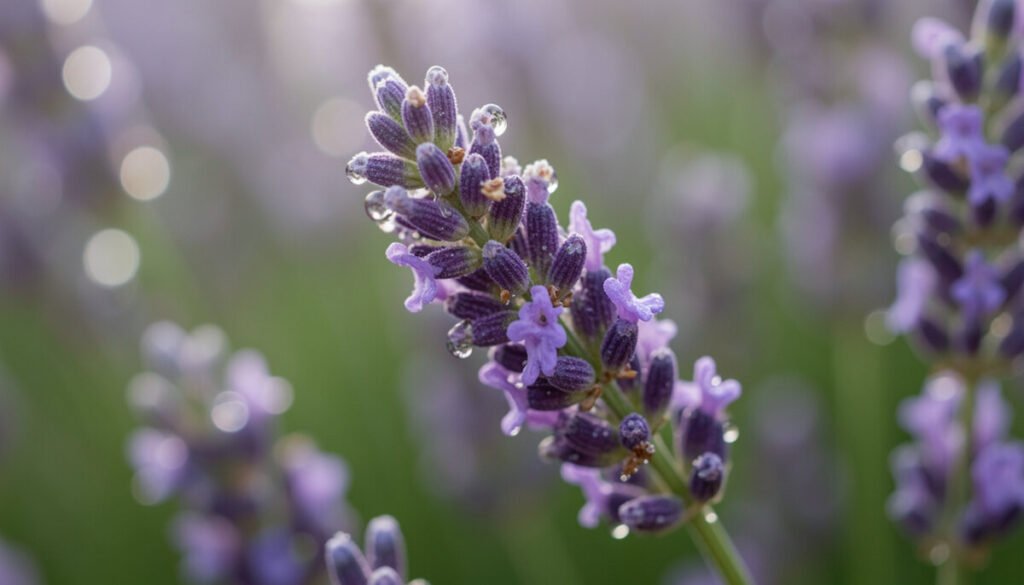
Lavender became popular in herbal traditions because of its calming fragrance and soft appearance. People often associated the herb with peace, protection, comfort, and purification. Families placed lavender inside homes, stored it with clothing, and planted it near entrances because they believed the scent created a more peaceful environment.
Modern gardeners still love lavender because it adds movement, fragrance, and soft color to outdoor spaces. Its pale purple flowers also fit naturally into witch-inspired gardens and gothic cottage aesthetics without making the space feel too dark or dramatic.
Walking through a garden filled with lavender during summer evenings creates a relaxing atmosphere that feels timeless and comforting.
Rosemary and Ancient Herbal Traditions

Rosemary carries strong historical connections with memory, protection, and household traditions. Ancient cultures valued rosemary because of its sharp earthy scent and symbolic importance during ceremonies and celebrations.
The herb grows thick and slightly wild over time, which helps gardens feel more natural and less controlled. Many people now include rosemary in witch-inspired gardens because it creates texture, fragrance, and a stronger connection with traditional herbal gardening.
I once brushed past a large rosemary bush while walking through an old stone garden path in early autumn. The scent immediately filled the air and made the entire garden feel earthy and alive. Small moments like that explain why rosemary continues holding such strong symbolic meaning today.
Sage and Cleansing Traditions
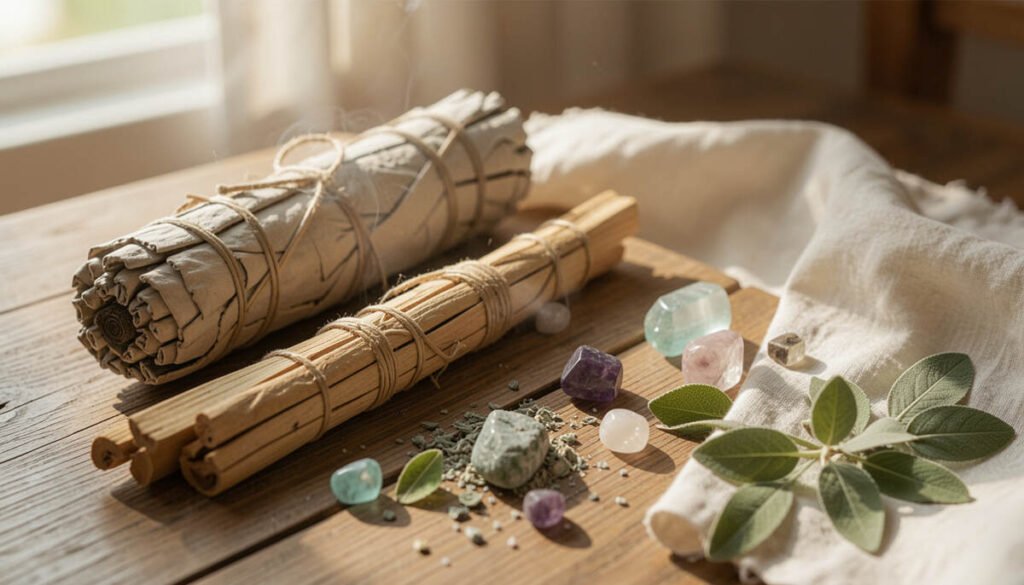
Sage remains one of the most recognizable herbs connected with cleansing traditions and herbal symbolism. Different cultures valued sage because of its aromatic qualities and calming presence inside homes and gardens.
The muted gray-green leaves give sage a soft natural appearance that works beautifully beside darker flowers, climbing ivy, or weathered stone pathways. Many gardeners enjoy using sage because it creates a peaceful atmosphere without requiring dramatic decorative elements.
Modern herbal gardens often include sage simply because it smells pleasant and looks beautiful, although its historical symbolism still adds to its mysterious reputation.
Mugwort and Folklore Stories
Mugwort developed one of the strongest folklore reputations among traditional witch plants. Historical stories often connected the herb with dreams, nighttime rituals, intuition, and spiritual symbolism. Its wild appearance likely helped strengthen these legends over centuries.
The silver-toned leaves move softly in evening wind and moonlight, giving the plant a naturally mysterious atmosphere. During colder months especially, mugwort can make gardens feel quiet, dramatic, and slightly haunting in the best possible way.
I remember seeing mugwort growing beside an old countryside fence during late October while fog rolled slowly across nearby fields. The pale leaves almost glowed under weak evening light. The scene genuinely looked like something pulled from an old folklore painting.
Belladonna and Dark Folklore
Belladonna became famous because of its dangerous reputation and connection with dark folklore stories. Unlike softer herbs such as lavender or sage, belladonna gained attention because the plant contains toxic properties.
Its dark berries and dramatic appearance helped create centuries of myths and supernatural legends surrounding the plant. While many people find the history fascinating, gardeners should always approach toxic plants carefully and avoid using them casually in remedies or household preparations.
Most modern interest in belladonna focuses on its folklore history and gothic appearance rather than practical use.
Why Witch Gardens Feel Popular Again
Witch-inspired gardens have become popular again because many people want outdoor spaces that feel calm, atmospheric, and personal instead of overly polished. Modern landscaping often focuses on perfection, while folklore-inspired gardens feel softer, moodier, and more connected with nature.
These gardens usually include fragrant herbs, climbing vines, weathered stone, dark foliage, wooden textures, and moonlight-friendly flowers. The goal is not to create a fantasy movie set. Most people simply want a peaceful outdoor space that feels timeless and slightly mysterious during evening hours.
Social media trends connected with cottagecore, gothic decor, slow living, and herbal gardening have also helped increase interest in this style.
Dark Plants That Create a Gothic Garden Feel
Some plants naturally create a darker and more dramatic atmosphere because of their deep colors, unusual textures, or twisting growth patterns. Black foliage, dark purple flowers, ivy-covered walls, and silver herbs often work together beautifully inside gothic-inspired gardens.
Autumn weather makes these gardens feel even more atmospheric. Fog, rain, fading sunlight, and cold evening air naturally enhance darker colors and textured plants. Gardens that seem ordinary during summer often become visually striking once October arrives.
Many gardeners balance darker plants with softer herbs like rosemary and lavender to keep the space calming instead of overwhelming.
Why Witch Plants Still Fascinate People Today
Witch plants continue fascinating people because they connect storytelling, history, symbolism, fragrance, and nature together in a way that still feels meaningful. Even people who are not interested in folklore often enjoy the relaxing atmosphere these plants create inside gardens and homes.
Walking through a herb garden filled with lavender, rosemary, sage, and climbing vines during a quiet evening feels very different from walking through a perfectly designed modern landscape. The space feels slower, softer, and more connected with tradition.
That timeless atmosphere explains why witch plants continue attracting gardeners, folklore lovers, and nature enthusiasts generation after generation.
Reddit Real life Example
Hey everyone, new to Wicca and Witchcraft here. I’ve recently started studying Wicca and the Craft because I’ve found it to align with me very well. I have a few questions about things, but I’m going to stick to plants though for now.
1 – What are some good resources for looking up plants and their uses?
2 – What plants should every Witch with a hand in gardening have in their garden(s)?
3 – What are some resources on how to properly take care of those plants?
Thank you in advance.
Source:Reddit
Final Thoughts
Witch plants continue fascinating people because they combine history, symbolism, atmosphere, and natural beauty in a unique way. Whether someone is interested in herbal traditions, gothic gardens, folklore stories, or simply creating a peaceful outdoor space filled with fragrant herbs, these plants carry a sense of timeless mystery that still feels relevant today.
Rather than focusing only on myths or fantasy, many modern gardeners now appreciate witch plants for their calming presence, visual atmosphere, and deep connection with old traditions that have survived through generations..
Frequently Asked Questions
What are witch plants?
Witch plants are herbs, flowers, and foliage traditionally connected with folklore, herbal traditions, symbolism, and gothic garden aesthetics.
Why are certain herbs linked with witches?
Many herbs became associated with witches because historical herbal healers and traditional plant remedies were often surrounded by superstition and folklore.
What is the most famous witch plant?
Plants like mugwort, sage, rosemary, lavender, and belladonna are among the most commonly connected with witch folklore.
Can witch plants be grown at home?
Yes, many witch-associated herbs such as lavender, rosemary, mint, and sage are commonly grown in home gardens.
Are all witch plants dangerous?
No, most are ordinary herbs used in gardening and cooking, although some plants like belladonna are toxic and require caution.

Jack Rivers is the founder of Plantsopedia, dedicated to making plant care simple, science-backed, and accessible for everyone. With a deep interest in botanical care and plant psychology, he specializes in rare tropical species and organic growth techniques, helping enthusiasts understand the soil, light, and biology behind every thriving plant. When he’s not experimenting with new propagation methods, Jack is busy turning complex horticultural science into practical, everyday advice for home gardeners