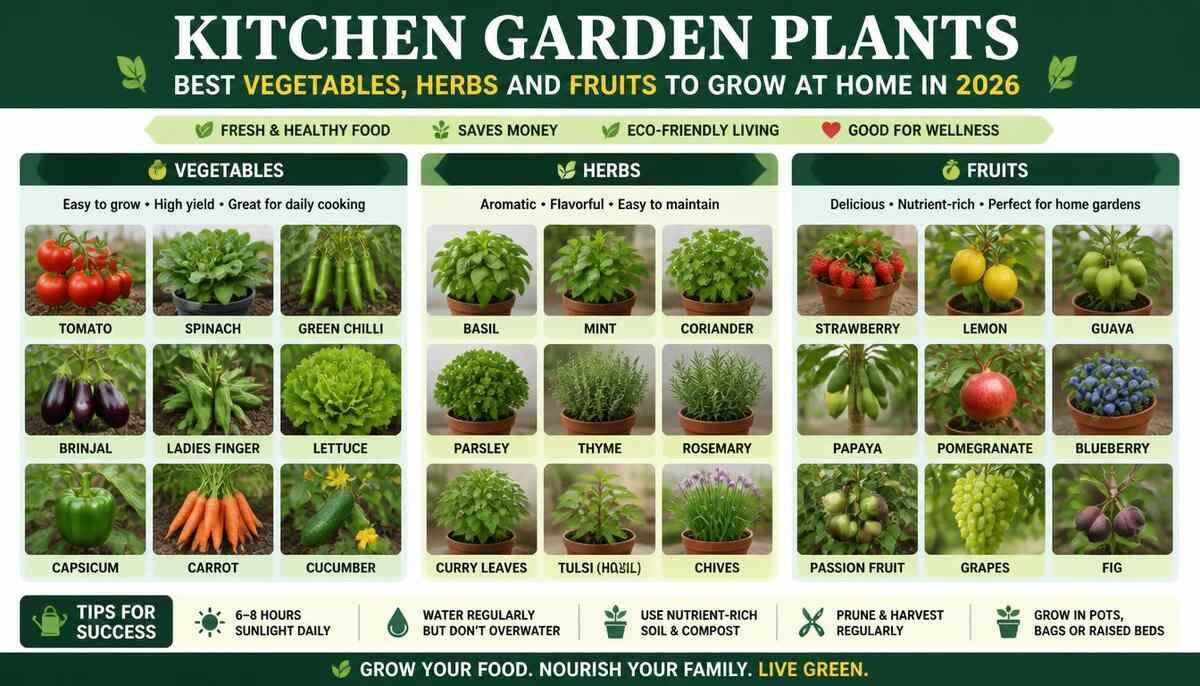
Growing your own food at home has become more popular than ever, and kitchen garden plants are often the easiest place to start. A kitchen garden consists of vegetables, herbs, fruits, and edible plants that can be grown in a backyard, balcony, terrace, or even a few containers near a sunny window. These plants provide fresh ingredients for everyday cooking while helping households reduce grocery expens and enjoy homegrown produce.
One of the main reasons people start a kitchen garden is the easy access to fresh ingredients. Instead of relying entirely on grocery stores, you can pick herbs, leafy greens, and vegetables straight from your garden whenever they are needed. Whether you have a spacious backyard, a small balcony, or a few containers on a patio, many kitchen garden plants can grow successfully and provide a steady supply of homegrown produce.
What Are Kitchen Garden Plants?
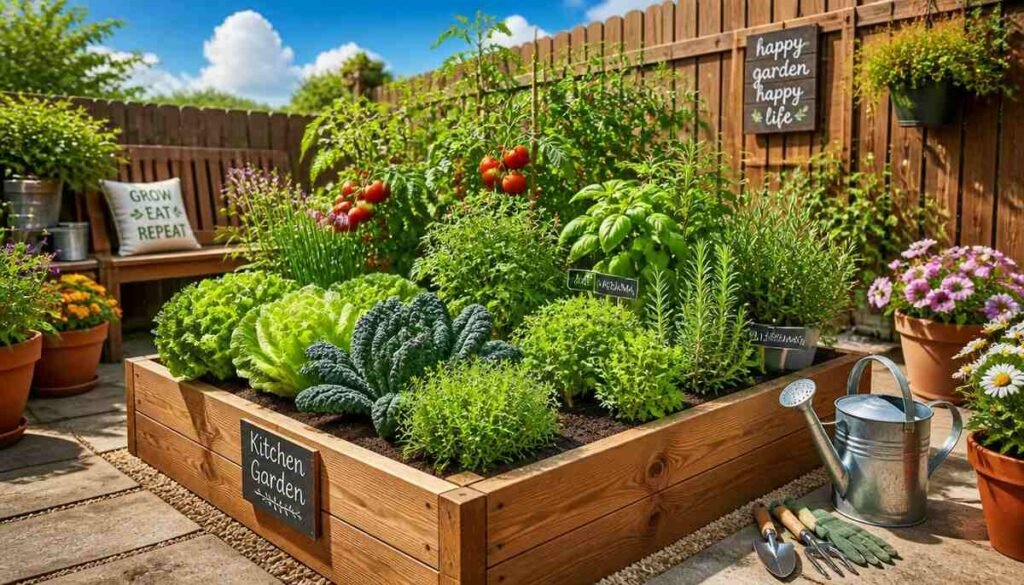
Kitchen garden plants are edible plants grown specifically for household use. Unlike ornamental plants that focus primarily on appearance, these plants are selected because they provide ingredients that can be harvested and used in daily cooking.
A productive kitchen garden often includes a combination of vegetables, herbs, fruits, and edible greens. The exact selection depends on climate, available space, personal preferences, and cooking habits.
Why More Homeowners Are Creating Kitchen Gardens
Interest in home gardening continues to grow because people want fresher food, healthier ingredients, and more sustainable lifestyles.
A kitchen garden offers convenience that grocery stores cannot always provide. Fresh herbs can be picked moments before cooking, vegetables can be harvested at peak ripeness, and gardeners can decide exactly how their plants are cared for throughout the growing process.
Many gardeners also discover that tending plants becomes an enjoyable hobby that reduces stress while creating a stronger connection to food and nature.
How to Choose the Right Plants for Your Kitchen Garden
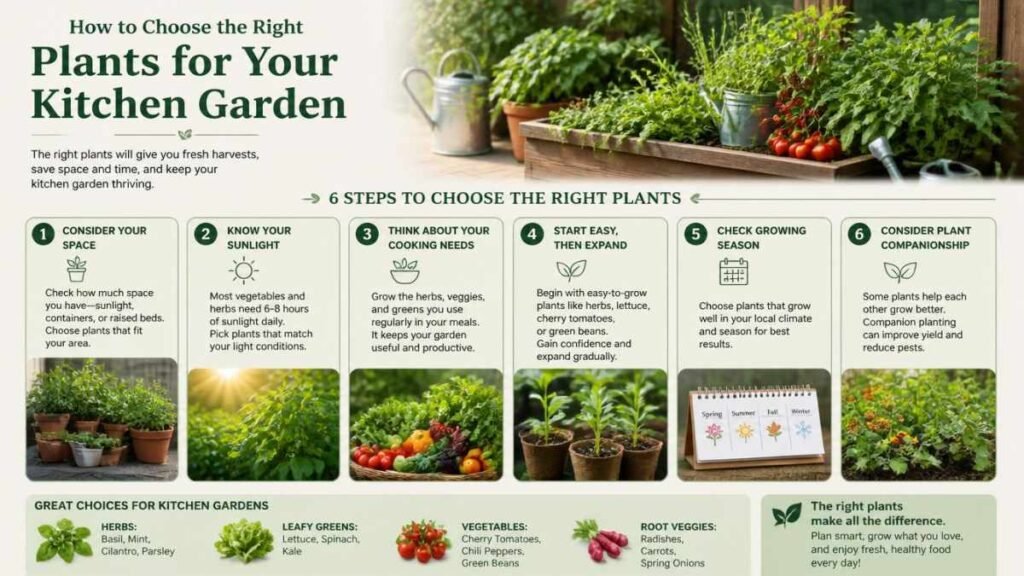
Before planting, it is important to evaluate your growing conditions. Choosing plants that match your environment often leads to better results and fewer gardening frustrations.
Consider Your Climate
Some plants thrive in cooler temperatures, while others require consistent warmth. Understanding local weather patterns helps determine which crops are most likely to succeed.
Evaluate Available Sunlight
Most vegetables grow best in locations that receive several hours of direct sunlight daily. Garden spots with full sun exposure can support a greater variety of herbs, fruits, and vegetables, making them ideal for growing edible plants.
Think About Space Limitations
Not every household has access to a large garden. Fortunately, many kitchen garden plants grow successfully in containers, raised beds, and vertical growing systems.
Start With Easy-to-Grow Plants
Beginners often achieve better results by focusing on plants that require minimal maintenance. Success with a few reliable crops can build confidence for larger gardening projects.
Best Kitchen Garden Plants to Grow at Home
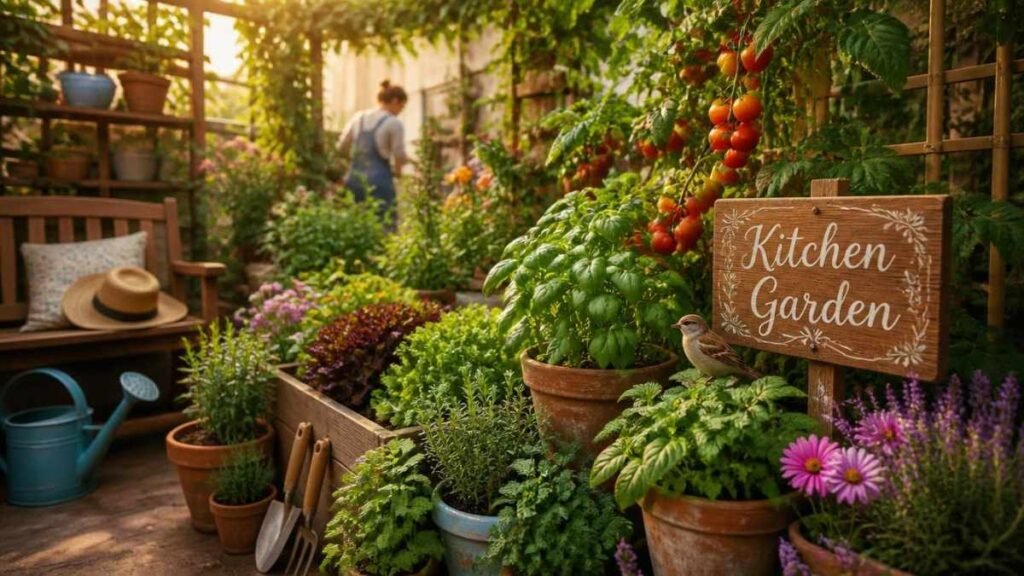
A successful kitchen garden usually combines a variety of plants that serve different purposes in the kitchen.
Tomatoes
Tomatoes remain one of the most rewarding kitchen garden plants because they are productive, versatile, and suitable for many growing environments. Fresh tomatoes can be used in salads, sauces, sandwiches, and countless other recipes.
With proper sunlight and regular watering, tomato plants can continue producing for an extended period.
Mint
Mint is known for its rapid growth and refreshing aroma. It is commonly used in beverages, salads, sauces, and traditional dishes.
Because mint spreads quickly, many gardeners prefer growing it in containers where its growth can be controlled more easily.
Coriander
Coriander is one of the most widely used herbs in home cooking. Both the leaves and seeds have culinary value, making it an excellent addition to a kitchen garden.
Regular harvesting encourages fresh growth and extends productivity.
Green Chilies
Green chili plants are compact, attractive, and highly productive. A small number of plants can often supply enough chilies for regular household use.
Their ability to grow well in containers makes them particularly suitable for smaller spaces.
Spinach
Spinach provides nutritious leaves that can be harvested repeatedly throughout the growing season. It grows relatively quickly and is often considered one of the easiest leafy vegetables for beginners.
Basil
Basil is prized for its fragrance and flavor. It performs well in containers and garden beds while providing a steady supply of leaves for cooking.
The plant also attracts pollinators, which can benefit nearby crops.
Lettuce
Lettuce is ideal for gardeners seeking quick harvests. Many varieties mature rapidly and can be harvested gradually rather than all at once.
Its compact growth habit makes it suitable for container gardening.
Spring Onions
Spring onions require little space and can be harvested continuously. They are practical for home gardens because they are frequently used in everyday cooking.
Cucumbers
Cucumber plants are known for their productivity. With adequate support and sunlight, they can produce impressive harvests even in relatively small growing areas.
Lemons
For gardeners with sufficient space, lemon plants can provide fresh fruit while adding visual appeal to the garden. Container-grown varieties are often suitable for patios and balconies.
Kitchen Garden Plants That Grow Well in Containers
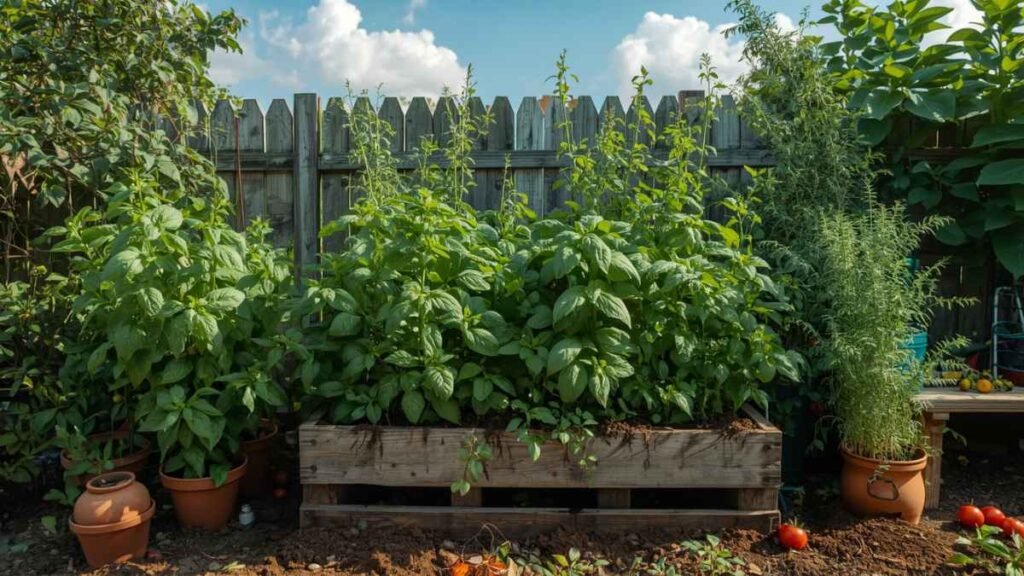
Limited space does not prevent successful gardening. Many edible plants perform exceptionally well in pots and containers.
Popular container-friendly kitchen garden plants include:
- Mint
- Basil
- Coriander
- Green chilies
- Lettuce
- Spinach
- Spring onions
- Cherry tomatoes
Container gardening offers flexibility because plants can be moved to take advantage of better sunlight or protection from harsh weather.
Seasonal Kitchen Garden Plants
Different seasons support different crops.
Summer Kitchen Garden Plants
Tomatoes, cucumbers, basil, chilies, and eggplants often thrive during warmer months.
Winter Kitchen Garden Plants
Spinach, lettuce, radishes, carrots, and peas generally perform better in cooler temperatures.
Year-Round Kitchen Garden Plants
Mint, spring onions, coriander, and certain leafy greens can remain productive across multiple seasons when conditions are favorable.
Common Kitchen Gardening Mistakes Beginners Make
Many new gardeners encounter challenges that can easily be avoided with proper planning.
Overwatering
Too much water can be just as harmful as too little. Excess moisture may lead to root problems and reduced plant health.
Planting Too Many Crops at Once
Starting with too many varieties can become overwhelming. Focusing on a smaller selection often leads to better results.
Ignoring Sunlight Requirements
Plants placed in unsuitable locations may struggle to grow or produce harvests.
Overcrowding Plants
Insufficient spacing can restrict airflow, increase disease risk, and reduce productivity.
Simple Tips for a More Productive Kitchen Garden
Healthy soil is the foundation of a productive garden. Adding compost and organic matter helps improve soil structure and nutrient availability.
Regular harvesting encourages many plants to continue producing. Removing weeds, monitoring pests, and providing consistent care can also improve overall yields.
Most importantly, successful kitchen gardens develop gradually. Learning from each growing season helps gardeners improve their techniques and expand their plant selection over time.
Frequently Asked Questions
Which plant is best for a kitchen garden?
Tomatoes, mint, coriander, and spinach are among the most popular choices because they are productive and relatively easy to grow.
Can I grow kitchen garden plants in pots?
Yes. Many herbs and vegetables grow successfully in containers when provided with proper sunlight and care.
Which herbs are easiest to grow at home?
Mint, basil, coriander, and parsley are often considered beginner-friendly herbs.
What should beginners grow first?
Beginners often find success with mint, coriander, lettuce, spinach, and tomatoes because these plants are generally easy to manage.

Jack Rivers is the founder of Plantsopedia, dedicated to making plant care simple, science-backed, and accessible for everyone. With a deep interest in botanical care and plant psychology, he specializes in rare tropical species and organic growth techniques, helping enthusiasts understand the soil, light, and biology behind every thriving plant. When he’s not experimenting with new propagation methods, Jack is busy turning complex horticultural science into practical, everyday advice for home gardeners