Introduction
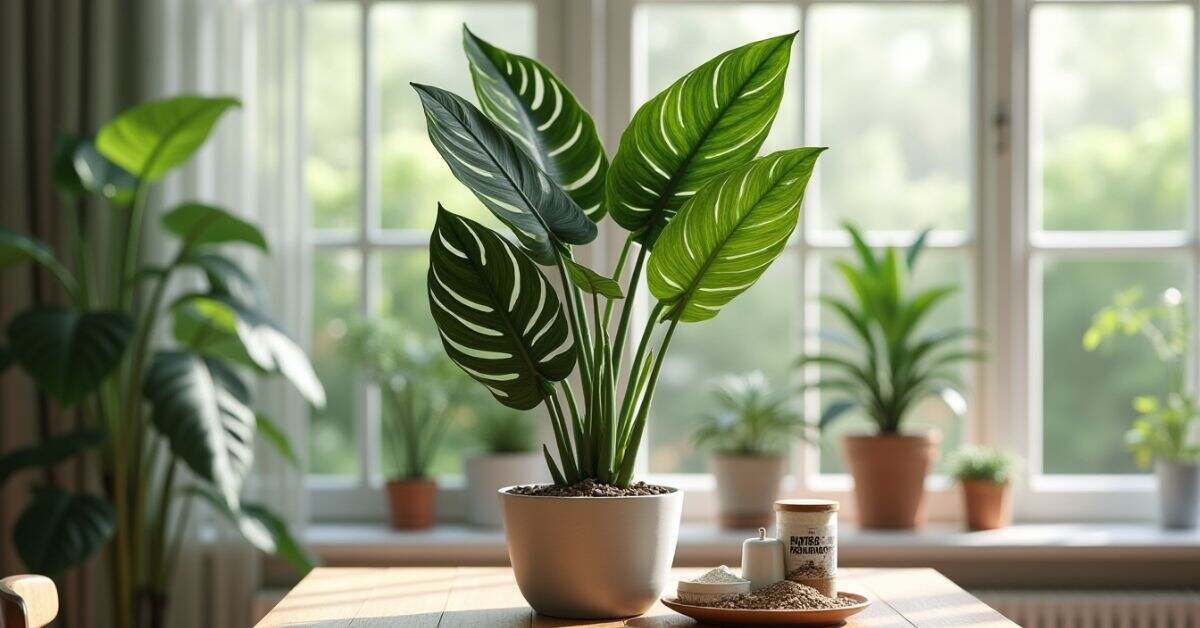
The African Mask Plant (Alocasia micholitziana ‘Frydek’ or Alocasia amazonica) is a striking tropical plant famous for its dramatic foliage. It features large, dark green leaves shaped like arrows or ancient shields, accented by thick, bright white veins. Despite its name, this plant actually originates from the tropical rainforests of the Philippines, not Africa.
Do you want to turn your living room into a lush, jaw-dropping jungle? This plant commands attention the moment someone walks into a room. Its deep velvet textures and bold patterns look less like a houseplant and more like a living piece of modern art.
To keep this stunning plant happy, you just need to replicate its native rainforest environment. It thrives on high humidity, warm temperatures, and bright, indirect sunlight. Master these simple elements, and your African Mask Plant will reward you with massive, show-stopping leaves all year long.
African Mask Plant Overview
The African Mask Plant truly steals the show with its dark, wavy-edged leaves. These leaves resemble narrow shields with striking white veins cutting through the deep green surface. This compact plant usually reaches about two feet in height, making it a perfect fit for tables, shelves, or desks.
You will notice that this plant acts like a bit of a diva when it receives the wrong care. It sheds its leaves or drops its stems to tell you it needs more water or less direct sun. However, it grows fast during the spring and summer if you give it warm air and moist soil.
African Mask Plant Benefits
The African Mask Plant does much more than just look pretty on your shelf. Like many tropical houseplants, it naturally filters the air in your home by trapping dust and absorbing common indoor pollutants. It also releases moisture into the air through a process called transpiration, which raises the humidity in dry rooms and helps you breathe easier.
Beyond physical health, this bold plant provides a massive boost to your daily mood and mental focus. The striking visual patterns stimulate your brain, while the act of tending to its soil lowers your stress levels. Bringing this unique slice of the rainforest indoors connects you directly with nature and instantly elevates your room’s design.
- Purifies air: Filters out everyday toxins and improves oxygen levels.
- Boosts humidity: Releases moisture to soothe dry skin and sinuses.
- Reduces stress: Lowers anxiety through the calming routine of plant care.
- Elevates decor: Serves as a bold, living centerpiece for any indoor space.
Best Light for African Mask Plant
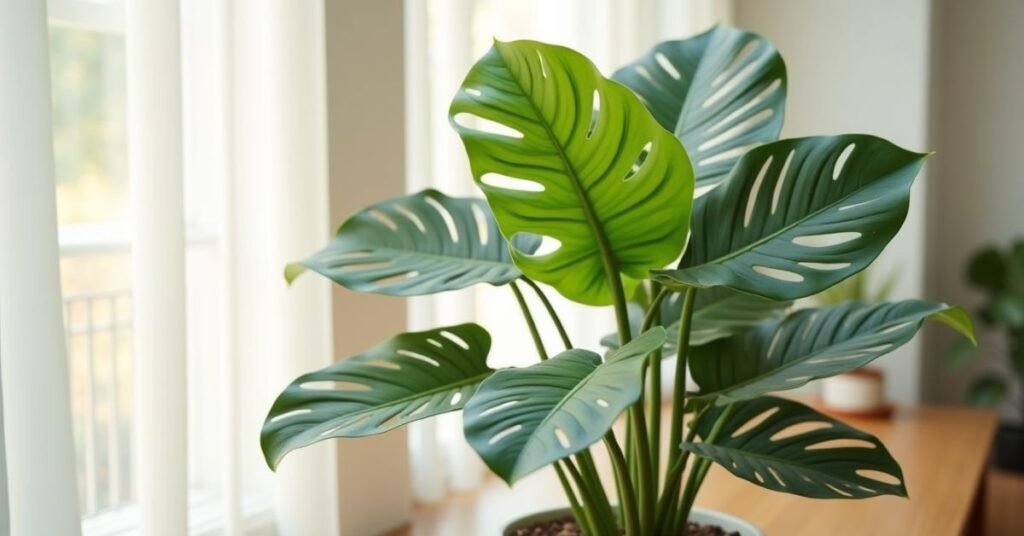
The African Mask Plant loves bright, indirect sunlight to keep its deep colors vibrant. In the wild, taller trees filter the sun before it hits this plant on the rainforest floor. In your home, you can mimic this environment by placing the plant near an east-facing or west-facing window. A sheer curtain also works beautifully to soften harsh rays and protect the delicate leaves.
Direct sunlight will quickly scorch the stunning dark leaves and leave permanent brown burn marks. On the flip side, too much shade slows down its growth and causes the bright white veins to fade. If the plant stretches its stems too far toward the nearest light source, it is telling you it needs a brighter spot.
Ideal Soil for African Mask Plant
The African Mask Plant needs a soil mix that drains water quickly but still holds a little moisture. In the wild, its roots grow in loose, airy organic matter on the rainforest floor. If you use regular, heavy potting soil, the water sits too long and drowns the roots. This lack of oxygen causes root rot, which can quickly kill your plant.
You can easily mix the perfect soil right at home using common ingredients. Combine one part regular potting soil, one part peat moss to retain moisture, and one part perlite or orchid bark to create air pockets. This chunky blend allows excess water to flow right out of the bottom holes of your pot. It gives the roots plenty of room to breathe while keeping them happily hydrated.
Watering an African Mask Plant
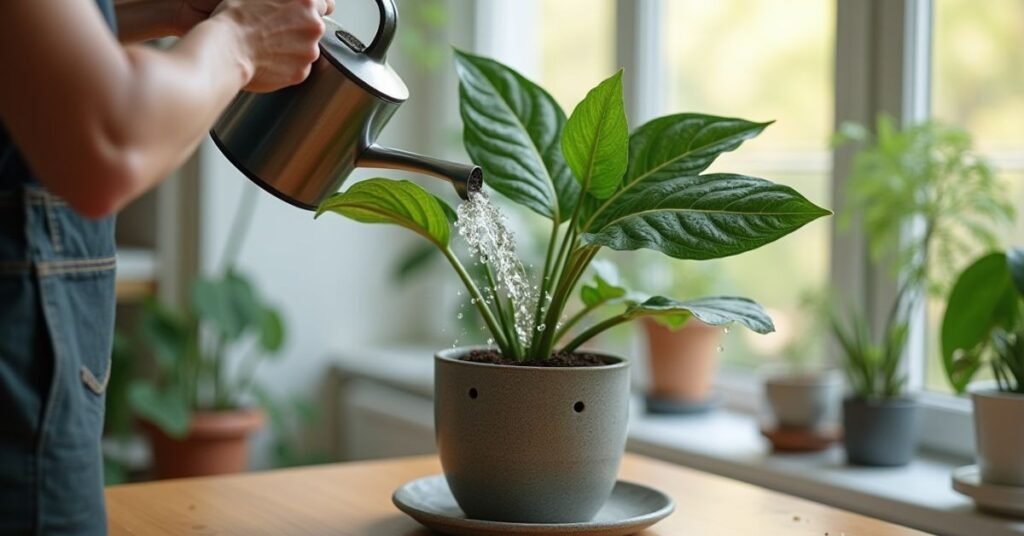
The African Mask Plant requires a careful balance when it comes to moisture. It loves consistently damp soil, but it hates sitting in soggy mud. To get it right, always check the soil with your finger before you grab your watering can. Only water the plant when the top inch of soil feels completely dry to your touch.
When you do water, pour it thoroughly until it drains out of the bottom holes of the pot. Empty the drip tray immediately so the roots do not sit in stagnant water. During the winter, the plant rests and slows down its growth, so you will need to water it much less often.
- Check first: Water only when the top inch of soil feels dry.
- Drain completely: Never let the pot sit in a puddle of excess water.
- Use lukewarm water: Cold water shocks the tropical roots.
- Cut back in winter: Reduce watering when the plant goes dormant.
Temperature and Humidity Needs
The African Mask Plant craves a warm environment that mimics its native tropical rainforest. It thrives best in temperatures between 65°F and 85°F. You must keep it away from cold windows, air conditioning vents, and sudden chilly drafts. If the temperature drops below 60°F, the plant will stop growing and may drop its leaves in protest.
Humidity plays an even bigger role in keeping this plant healthy and happy. It requires a high humidity level of at least 50% to prevent its leaf edges from turning crisp and brown. You can easily boost the moisture in the air by placing a humidifier nearby or setting the pot on a tray filled with pebbles and water.
Fertilizing an African Mask Plant
The African Mask Plant uses a lot of energy to grow its massive, beautiful leaves. It needs regular feeding during its active growing season in the spring and summer. If you withhold nutrients, the plant will grow much slower, and its new leaves will stay small. A balanced, water-soluble houseplant fertilizer provides the perfect mix of nutrients to fuel this rapid growth.
You must handle fertilizer carefully because too much food will burn the sensitive roots. Always dilute the liquid fertilizer to half of the strength recommended on the product bottle. Stop feeding the plant completely during the fall and winter months when it goes dormant. This break prevents dangerous salt buildup in the soil while the plant rests.
- Feed during growth: Apply fertilizer every two to four weeks in spring and summer.
- Dilute the mix: Cut the fertilizer strength in half with water to protect roots.
- Flush the soil: Pour plain water through the pot occasionally to wash away excess salts.
- Pause for winter: Stop all feeding entirely when the plant rests in cold months.
How to Repot an African Mask Plant
The African Mask Plant grows best when its roots snugly fit the pot, so you only need to repot it every two years. Spring serves as the absolute best time for this chore because the plant possesses plenty of energy to recover from the move. Always choose a new pot that measures just one to two inches wider than the current one. If you pick a giant container, the extra soil will hold too much water and cause root rot.
To begin, gently slide the plant out of its old container by holding it near the base of the stems. Use your fingers to loosen the outer roots and brush away the old, exhausted soil. Place a layer of fresh, well-draining soil mix into the bottom of the new pot. Center the plant, fill in the empty sides with more soil, and press down lightly before giving it a thorough drink of water.
- Time it right: Only repot in the spring when the plant enters its active growth phase.
- Size up slowly: Choose a new pot just one or two inches larger than the old one.
- Inspect the roots: Trim away any mushy, brown roots with sterilized scissors before replanting.
- Keep the depth equal: Plant it at the exact same depth as it sat in the old container.
How to Propagate an African Mask Plant
You cannot propagate the African Mask Plant from simple leaf or stem cuttings like other houseplants. Instead, this plant grows from underground clumps called rhizomes that naturally multiply over time. The best method to get new plants involves separating these clumps when you repot the parent plant in the spring. This technique gives you fully formed, separate plants with their own root systems right from the start.
To begin, gently slide the mature plant out of its pot and shake away the loose dirt to expose the root system. Look for small baby plants, or pups, growing alongside the main base with their own individual roots. Carefully pull or cut these sections apart using a clean, sharp knife. Plant each new division into its own small pot filled with fresh, airy soil, and keep them warm and humid while they adjust.
- Propagate by division: Separate the underground rhizomes and roots instead of taking stem cuttings.
- Use clean tools: Wipe your knife or scissors with rubbing alcohol to prevent spreading plant diseases.
- Select healthy pups: Ensure each separated piece has at least one healthy leaf and several strong roots.
- Provide extra care: Place the new plants in a warm, high-humidity spot away from direct sunlight for the first few weeks.
Common African Mask Plant Problems
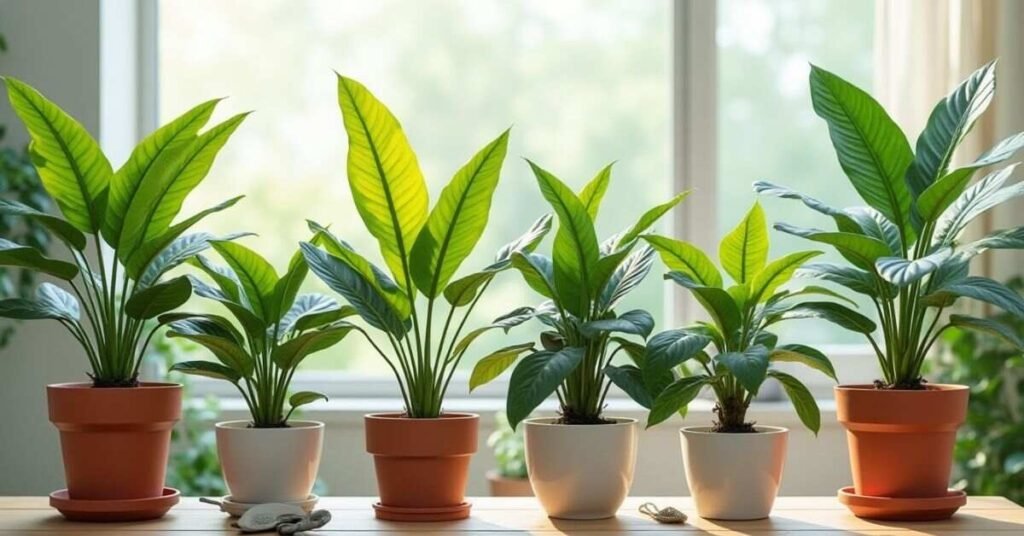
The African Mask Plant communicates its health issues clearly through its dramatic leaves. When the plant experiences stress from incorrect watering or lighting, its foliage changes color and texture. Catching these warning signs early allows you to adjust your care routine and save your plant from permanent damage.
Pests and diseases can also attack this tropical plant if the environment lacks proper air circulation or humidity. Common insects like spider mites love dry indoor air and will quickly sap the strength from the gorgeous leaves. Use the detailed troubleshooting table below to identify exactly what your plant needs to recover.
| Leaf Symptom | Main Cause | Simple Solution |
| Yellowing leaves | Overwatering or soggy soil | Before watering again, let the top inch of soil dry completely. |
| Crispy brown edges | Low humidity or dry air | Group plants together, use a humidifier, or use a pebble tray. |
| Brown spots with yellow halos | Fungal leaf spot disease | Avoid splashing water on leaves and increase air circulation. |
| Fading or dull green colors | Too much shade or low light | Move the plant to a brighter spot with indirect sunlight. |
| Bleached or burned patches | Direct sunlight scorch | Pull the plant away from hot windows or hang a sheer curtain. |
| Drooping or wilting stems | Underwatering or cold drafts | Give the plant a thorough drink or move it away from cold air. |
| Fine webs under the leaves | Spider mite infestation | Wipe the leaves with insecticidal soap or neem oil mix. |
| Mushy stems near the base | Advanced root rot | Repot immediately into fresh soil and trim away rotten roots. |
Why African Mask Plant Leaves Turn Yellow
Yellow leaves on your African Mask Plant usually point directly to a watering mistake. Overwatering is the most common culprit behind this sudden color change. When you keep the soil soggy, the roots suffocate and stop absorbing nutrients, which turns the leaves a sickly yellow. Underwatering can also cause yellowing, but the leaves will feel crisp and dry rather than soft and limp.
Incorrect lighting and nutritional stress can also drain the green color from your plant. If you place the plant in deep shade, it cannot photosynthesize properly, and the leaves will slowly turn yellow from a lack of energy. On the other hand, a sudden blast of cold air or heavy fertilizer burn can shock the plant and cause its lower leaves to yellow and drop off overnight.
How to Fix Drooping and Curling Leaves
Drooping and curling leaves usually mean your African Mask Plant is thirsty or suffering from low humidity. When the soil dries out completely, the plant loses its internal water pressure and sags downward. At the same time, the leaves curl inward to protect themselves and trap what little moisture they have left. To fix this, give your plant a thorough, deep watering until water runs out of the bottom holes, and mist the area to boost the humidity.
Temperature shock and root issues can also cause this sad, wilted look. Check your room for cold drafts from air conditioners or open windows, as a sudden chill will freeze the plant in its tracks. If the soil is already wet but the plant still droops, slide the plant out of its pot to check the roots. Mushy, brown roots mean root rot is starving the leaves, so you must trim the damage and repot into fresh, dry soil immediately.
How to Prune an African Mask Plant
Pruning an African Mask Plant requires very little effort because the plant naturally maintains a clean shape. You only need to prune to remove old, yellowing leaves or damaged stems that drain the plant’s energy. Removing these dying parts allows the plant to redirect its food and strength into producing fresh, giant leaves. Always wait until the leaf turns mostly yellow or brown before you cut it off, as the plant pulls valuable nutrients back into its base as the leaf dies.
To prune safely, always use a pair of sharp bypass pruners or heavy-duty scissors. Wipe the blades thoroughly with rubbing alcohol first to prevent spreading any bacteria or fungal diseases to the fresh cuts. Snip the unwanted stem at the very base of the plant, right where it meets the main soil line. Wear gardening gloves during this chore because the plant’s sap contains calcium oxalate crystals, which can easily irritate your skin.
Read More Information | https://plantsopedia.com/muicle-plant-benefits/
African Mask Plant Care Mistakes
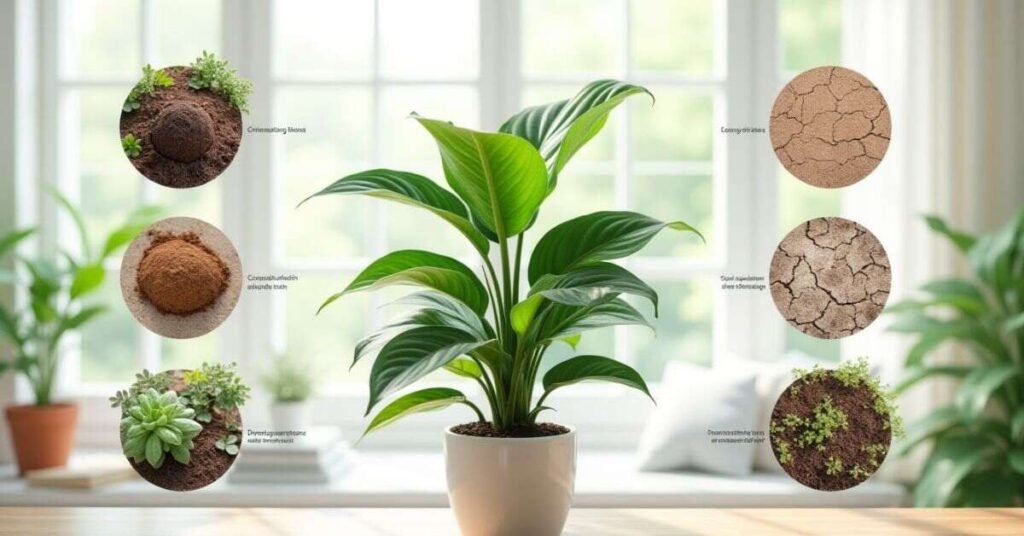
Many plant owners accidentally kill their African Mask Plant because they treat it like a standard houseplant. The biggest blunder involves suffocating the roots with heavy, regular potting soil that holds water for too long. People also tend to water on a strict calendar schedule instead of actually checking the soil moisture with their finger first. This constant wetness deprives the roots of vital oxygen and triggers deadly root rot within weeks.
Another common mistake involves placing the plant in the wrong location inside your home. People often set this beautiful plant right on a sunny windowsill, which quickly scorches the delicate leaves with direct sunlight. Others blast the plant with cold air by putting it near air conditioning vents or drafty winter doors. Avoiding these simple environment traps will keep your tropical plant healthy and thriving for years.
- Using heavy soil: Buying standard dirt that traps water instead of a loose, airy mix.
- Watering by calendar: Pouring water on a rigid weekly schedule without checking soil dryness.
- Exposing to direct sun: Placing the plant in harsh, direct rays that burn the dark leaves.
- Ignoring low humidity: Forgetting to boost the air moisture in dry rooms or during winter.
- Exposing to cold drafts: Leaving the plant near chilly windows or blasting AC vents.
FAQs
Is the African Mask Plant toxic to pets?
Yes, the plant contains calcium oxalate crystals, which make it highly toxic to both cats and dogs. Eating the leaves causes intense mouth irritation, swelling, and drooling.
How fast does the African Mask Plant grow?
This plant grows relatively fast during the warm spring and summer months. It can produce a massive new leaf every few weeks if you provide ideal warmth, light, and humidity.
Why is my African Mask Plant dripping water from its leaves?
Your plant is practicing a natural process called guttation, where it releases excess moisture through tiny pores. This harmless dripping usually happens overnight after you give the soil a heavy watering.
Does the African Mask Plant go dormant in the winter?
Yes, the plant rests during the winter and will completely stop growing new leaves. You must cut back on watering and stop fertilizing entirely until the warm spring weather returns.
Can I grow an African Mask Plant outdoors?
You can grow this plant outdoors only if you live in a warm, humid tropical climate. Otherwise, you must keep it indoors as a houseplant to protect it from cold temperatures and harsh wind.
Conclusion
Mastering the care of an African Mask Plant takes a little practice, but the rewarding view is absolutely worth your time. By focusing on bright indirect light, fast-draining soil, and high humidity, you can easily keep this tropical beauty happy. Pay close attention to its leaves, as they will instantly tell you if the plant needs a care adjustment.
Do not let its diva reputation intimidate you from adding this living art piece to your home. Once you establish a solid watering routine and protect it from cold drafts, the plant will thrive with minimal effort. Bring one into your space today and enjoy the bold, dramatic energy it adds to your daily life.

Jack Rivers is the founder of Plantsopedia, dedicated to making plant care simple, science-backed, and accessible for everyone. With a deep interest in botanical care and plant psychology, he specializes in rare tropical species and organic growth techniques, helping enthusiasts understand the soil, light, and biology behind every thriving plant. When he’s not experimenting with new propagation methods, Jack is busy turning complex horticultural science into practical, everyday advice for home gardeners