Introduction
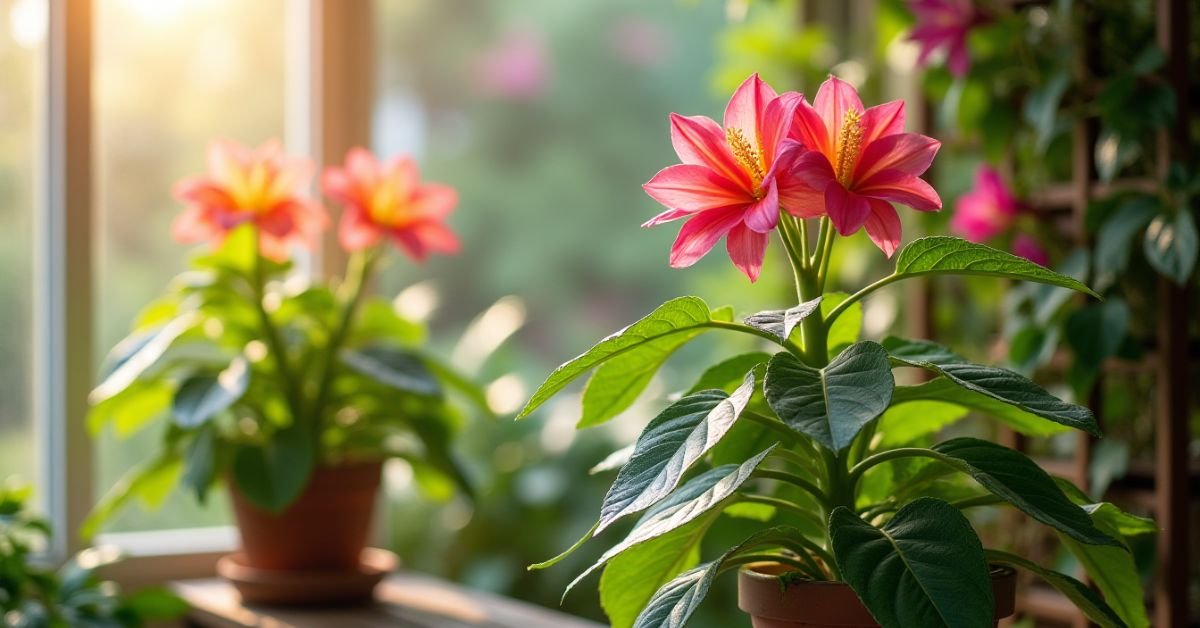
Dipladenia Plant is a stunning tropical climber known for its trumpet-shaped flowers and glossy green leaves. It belongs to the Mandevilla family but grows in a more compact, shrub-like fashion. These plants are beloved for their vibrant blooms that come in shades of pink, red, and white.
Are you looking for a plant that offers non-stop color without demanding all your free time? Dipladenia is the secret weapon of successful gardeners. It thrives in the heat and handles a missed watering better than most tropical beauties. Whether you have a sunny balcony or a bright living room corner, this plant is ready to put on a show.
To keep your Dipladenia thriving, you need to master a few simple basics regarding light and water. This guide covers everything from choosing the right soil to helping your plant survive the winter months. With the right care, you can enjoy these tropical vibes all year round, both indoors and out.
Dipladenia Plant Quick Facts (2026 Guide)
Dipladenia Plant are famous for being tough and beautiful. They love the sun and can handle high heat without wilting. Unlike many other tropical plants, they store water in their thick roots. This means they are quite forgiving if you forget to water them for a day or two. They usually grow as compact bushes, making them perfect for pots on a patio or a bright desk.
These plants are also great at attracting local wildlife. Their bright flowers bring bees, butterflies, and hummingbirds right to your door. In 2026, more people are growing them indoors as “living decor” because they stay green all year. Just keep them away from curious pets, as the sap can be irritating. They are truly the low-maintenance stars of the modern garden.
Dipladenia Plant vs Mandevilla: Key Differences
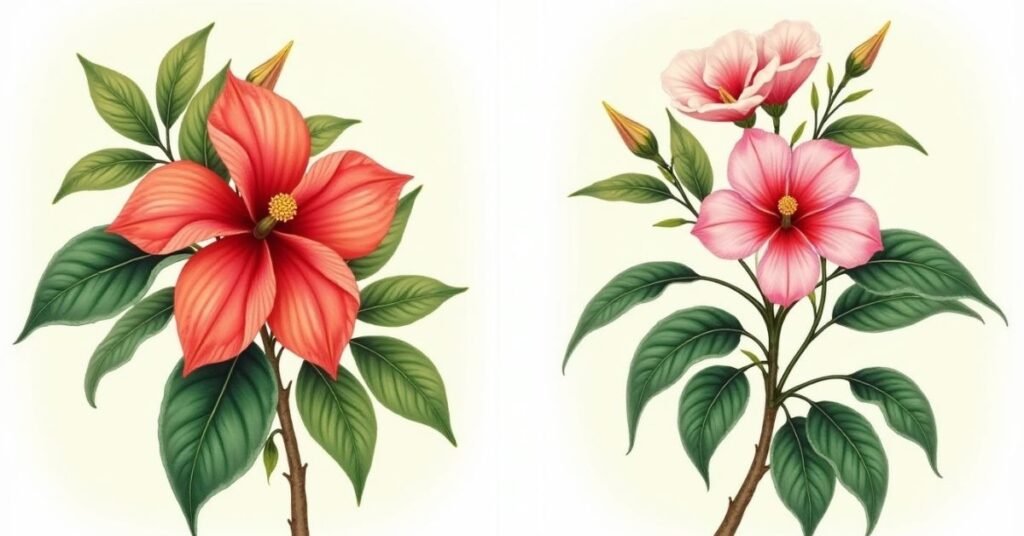
Many people get these two plants confused because they look like twins. The biggest difference is how they grow. Mandevilla is a true climber that wants to wrap itself around a trellis or a fence. Dipladenia is more like a neat little bush. It stays lower to the ground and grows in a compact shape, which is great for small spaces.
The leaves and flowers tell a story too. Mandevilla has large, heart-shaped leaves with deep ridges. Its flowers are usually quite big and bold. Dipladenia has smaller, smooth, and very shiny leaves. Its flowers are slightly smaller but often appear in greater numbers. If you want a hanging basket, go with Dipladenia; if you want a flowery wall, pick Mandevilla.
| Feature | Dipladenia | Mandevilla |
| Growth Habit | Shrub-like and bushy | Vining and climbing |
| Height | Usually 1–2 feet tall | Can climb 10+ feet |
| Leaf Texture | Small, smooth, and glossy | Large, leathery, and ridged |
| Flower Size | Medium (2–3 inches) | Large (3–5 inches) |
| Best Use | Pots, window boxes, baskets | Trellises, fences, pergolas |
| Maintenance | Low (needs less pruning) | Moderate (needs support to climb) |
| Sunlight | Full sun to partial shade | Full sun |
| Drought Tolerance | High (stores water in roots) | Moderate |
How to Grow Dipladenia Plant Indoors
Growing Dipladenia Plant indoors is a great way to bring a tropical feel to your home. The most important thing to remember is that these plants crave light. Place your pot near a sunny window that faces south or west. If your home is a bit dim, the plant might stop blooming or grow thin, leggy stems. Keep the room warm and away from cold drafts or air conditioning vents.
Indoor plants need a different watering rhythm than outdoor ones. Since there is less wind and direct sun, the soil stays wet longer. Always feel the top inch of soil before adding water. If it feels dry, give it a drink. It is also a good idea to mist the leaves occasionally or use a pebble tray. This mimics the humid tropical air that Dipladenias love so much.
Step-by-Step Indoor Planting Guide
- Step 1: Choose the Right Pot. Drain the container well. Dipladenias hate sitting in “soggy feet” (waterlogged soil).
- Step 2: Use Quality Soil. The pot should be filled with a potting mix that drains well. A mix with a bit of peat moss or perlite works best.
- Step 3: Position for Light. Place your plant where it gets at least 6 hours of bright, indirect sunlight every day.
- Step 4: Water Carefully. Water the plant until it runs out of the bottom. Empty the drainage saucer immediately so the roots don’t rot.
- Step 5: Feed Seasonally. During the spring and summer, use a liquid fertilizer once a month to encourage those beautiful flowers.
- Step 6: Prune for Shape. Snip off any long, stray vines to keep the plant looking like a neat, bushy houseplant.
Dipladenia Plant Outdoor Care Tips
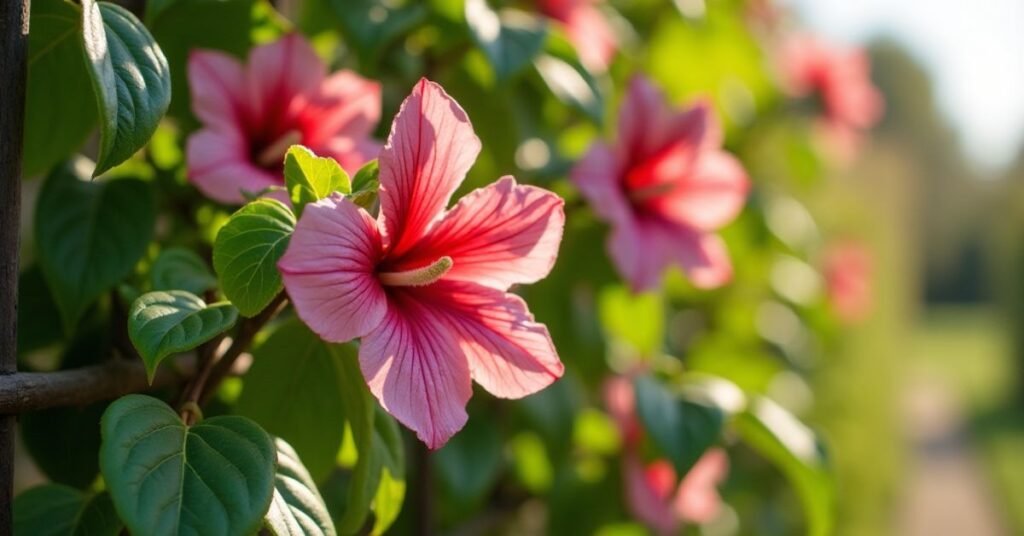
Growing Dipladenia Plant outdoors is all about finding the “sweet spot” for sun and heat. These plants are sun-worshippers and love soaking up at least six to eight hours of light every day. If you live in a very hot climate, they might appreciate a little afternoon shade to keep their colors bright. Just remember that they aren’t fans of the cold, so bring them inside if a frost is coming.
Watering is the next big secret to outdoor success. Because they are in the wind and sun, outdoor pots dry out much faster than indoor ones. Check the soil daily during the peak of summer. You want the soil to be moist but never swampy or muddy. Giving them a steady routine will reward you with a constant explosion of tropical flowers all season long.
Outdoor Success Checklist
- Sunlight: Aim for full sun. More sun usually means more flowers.
- Soil: Use a well-draining potting mix or garden soil. Don’t let water pool around the roots.
- Feeding: Use a phosphorus-rich fertilizer every two weeks in the summer to boost blooming.
- Spacing: Give them some breathing room. Good airflow prevents mold and pests.
- Deadheading: Pinch off old, wilted flowers. This tells the plant to grow new ones.
- Most problems can be solved with a quick spray of soapy water.
Dipladenia Plant Watering & Fertilizer Schedule
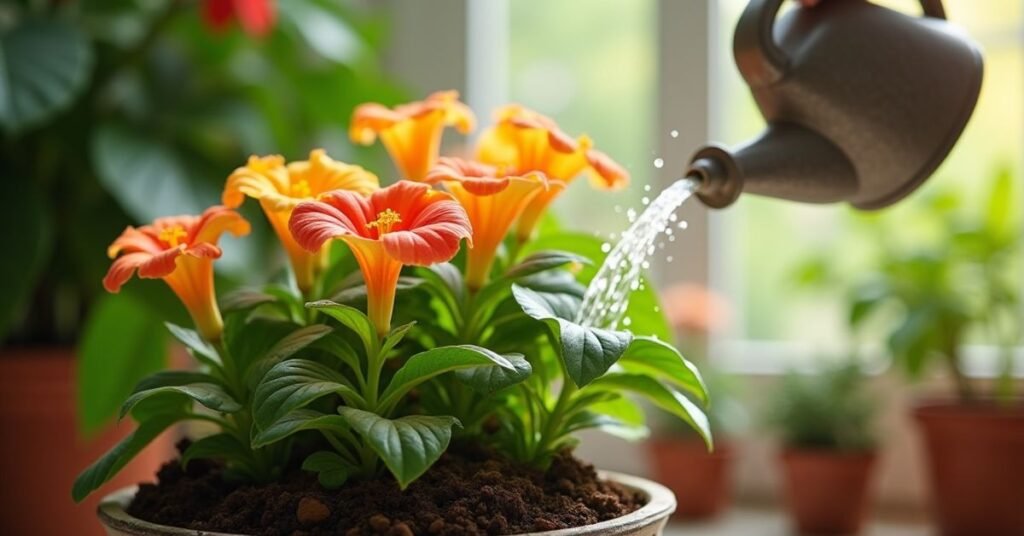
Getting the water right is the biggest secret to a happy Dipladenia. These plants have thick, tuberous roots that act like little water tanks. Because of this, they hate sitting in soggy soil which can cause root rot. Always wait until the top inch of soil feels dry to the touch before you grab your watering can. In the heat of summer, you might water every day, but in winter, you can wait much longer.
Feeding your plant is what keeps those beautiful trumpet flowers coming all season. Dipladenias are hungry during the spring and summer months when they are growing fast. A balanced, water-soluble fertilizer works wonders to keep the leaves green and the blooms bright. Once the weather cools down in the fall, you should stop fertilizing. This lets the plant rest and prepare for its dormant phase.
| Season | Watering Frequency | Fertilizer Type | Feeding Frequency |
| Spring | 2–3 times per week | Balanced (10-10-10) | Every 2 weeks |
| Summer | Daily (if in full sun) | High Phosphorus (10-30-10) | Every 1–2 weeks |
| Fall | 1–2 times per week | Balanced (10-10-10) | Once a month (then stop) |
| Winter | Every 10–14 days | None | Do not fertilize |
Problem → Solution Format
It can be frustrating when your Dipladenia Plant stays green but won’t grow flowers. The most common reason is a lack of sunlight. These plants are sun-lovers and need plenty of energy to produce those bright blooms. If they are in too much shade, they will put all their energy into growing long, leafy vines instead of flower buds.
Another big reason for a lack of flowers is your feeding and watering routine. If you give the plant too much nitrogen, it grows lots of leaves but zero flowers. Also, if the soil is constantly soaking wet, the plant gets stressed and drops its buds before they can even open. Finding a balance between enough light and the right food is the key to a colorful plant.
| Problem | Possible Cause | The Simple Solution |
| Lots of leaves, no buds | Too much shade | Move the plant to a spot with 6–8 hours of sun. |
| Vines are long and thin | Searching for light | Trim back the long vines and move to a brighter window. |
| Buds fall off before opening | Soggy soil or cold drafts | Let the soil dry out more and keep away from AC vents. |
| Leaves are pale green | Not enough nutrients | Switch to a “Bloom Booster” fertilizer high in phosphorus. |
| Plant looks “stuck” | It’s too cold | Ensure the temperature stays above 18°C for active blooming. |
| Old flowers staying on | Energy drain | Pinch off dead flowers to tell the plant to make new ones. |
Best Soil for Dipladenia Plant
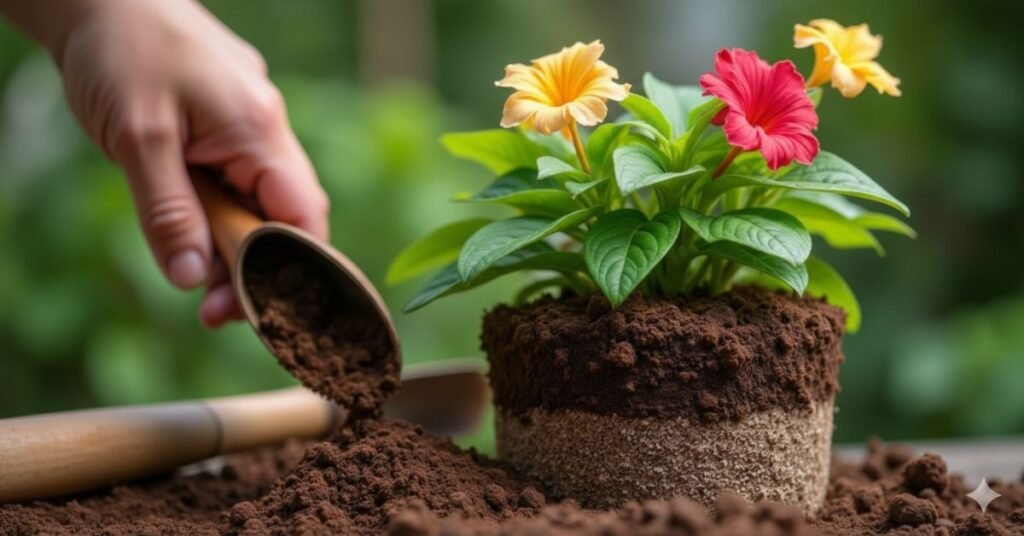
The secret to a happy Dipladenia Plant starts right at the roots. These plants absolutely hate “wet feet,” which happens when water sits in the soil for too long. You need a potting mix that is light, fluffy, and drains very quickly. A standard potting soil mixed with a bit of coarse sand or perlite is perfect. This setup allows oxygen to reach the roots while letting extra water flow straight out the bottom.
If you are planting in a pot, look for a mix that contains peat moss or coconut coir. These ingredients help hold just enough moisture to keep the plant hydrated without making it swampy. For those planting in the ground, make sure the area isn’t in a low spot where puddles form after rain. If your garden soil is heavy clay, it is much better to grow your Dipladenia in a raised bed or a large container.
How to Prune Dipladenia Plant
Dipladenia should be pruned regularly to keep them looking their best. Since these plants naturally want to grow long vines, they can become thin and “leggy” over time. Trimming them back encourages the plant to grow new stems from the base. This results in a thicker plant with way more flowers for you to enjoy.
The best time to do a major prune is in the early spring just as new growth starts. You can also do light “pinching” throughout the summer to maintain its shape. Always use sharp, clean shears to avoid crushing the stems. Don’t be afraid to cut it back a little; these plants are tough and respond well to a good haircut.
Step-by-Step Pruning Guide
- Step 1: Clean Your Tools. Wipe your scissors or shears with rubbing alcohol to prevent spreading plant diseases.
- Step 2: Remove Dead Parts. Cut away any brown, dry, or sickly-looking stems right at the base.
- Step 3: Pinch the Tips. Use your fingers to pinch off the very ends of new growing stems. This forces the plant to grow two branches instead of one.
- Step 4: Shape the Vines. If a vine is getting too long or “reaching” too far, cut it back to just above a set of leaves.
- Step 5: Deadhead Flowers. Snip off faded blooms regularly. This stops the plant from making seeds and keeps it focused on making new flowers.
- Step 6: Watch the Sap. Wear gloves if you have sensitive skin. The milky white sap can be sticky and might cause a little itchiness.
Conclusion
Growing a Dipladenia Plant is one of the easiest ways to bring a tropical feel into your life. These plants are tough, beautiful, and very forgiving if you miss a watering now and then. Whether you keep yours in a sunny pot on the porch or near a bright window inside, they always put on a great show. Just give them plenty of light and well-draining soil, and they will stay happy for a long time.
It is truly rewarding to see those bright trumpet-shaped flowers bloom all season long. With just a little bit of pruning and the right fertilizer, your plant will look professional and lush. Remember that gardening is all about learning as you go, so don’t be afraid to experiment with your Dipladenia. It is a hardy companion that will reward your care with endless color and charm.
FAQs
1. Is Dipladenia toxic to cats or dogs?
Yes, the plant contains a milky sap that can cause skin irritation or an upset stomach if your pets chew on it.
2. How often should I water my Dipladenia?
Water it only when the top inch of soil feels dry, which is usually 2–3 times a week depending on the heat.
3. Can Dipladenia survive the winter outside?
No, these are tropical plants that will die in freezing temperatures; bring them indoors once it drops below 10°C.
4. Why are the leaves on my plant turning yellow?
Yellow leaves usually mean the soil is too wet or the plant isn’t getting enough nutrients from its fertilizer.
5. Does Dipladenia need a trellis to grow?
Not necessarily, as they grow in a bushy shape, but a small stake can help support longer stems if they start to lean.

Jack Rivers is the founder of Plantsopedia, dedicated to making plant care simple, science-backed, and accessible for everyone. With a deep interest in botanical care and plant psychology, he specializes in rare tropical species and organic growth techniques, helping enthusiasts understand the soil, light, and biology behind every thriving plant. When he’s not experimenting with new propagation methods, Jack is busy turning complex horticultural science into practical, everyday advice for home gardeners
Great info. Lucky me I discovered your website by chance (stumbleupon).
I’ve bookmarked it for later!