Introduction
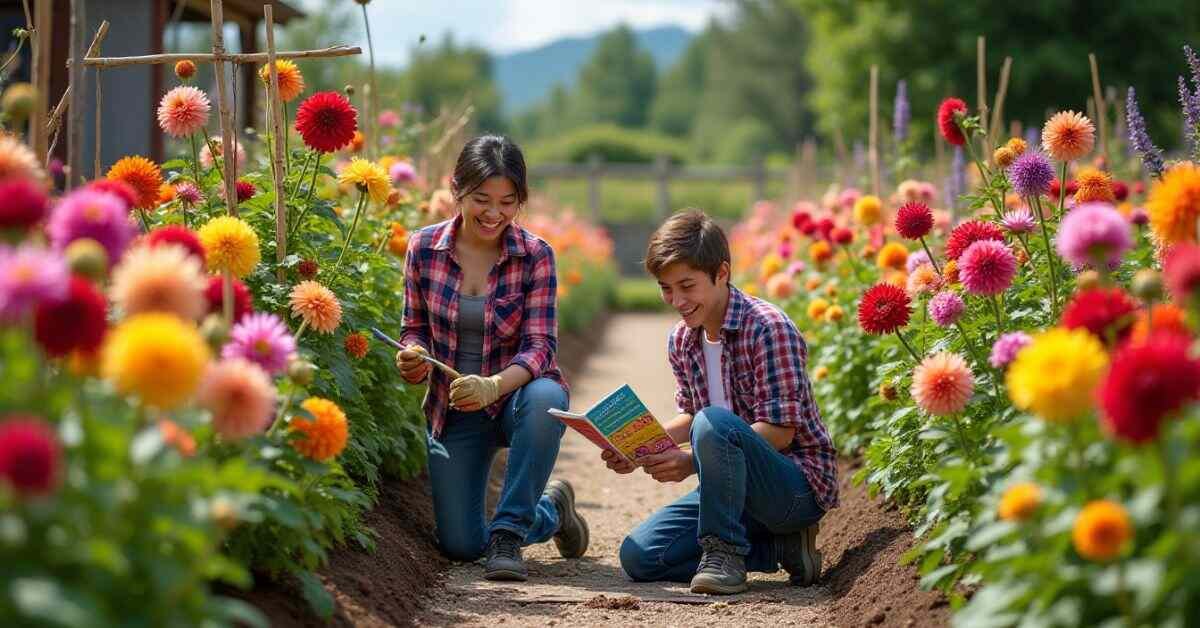
Dahlias Plant are stunning perennial plants known for their diverse colors and intricate petal patterns. They grow from underground tubers and belong to the same family as sunflowers and daisies. These flowers range from tiny pom-poms to massive “dinner plate” blooms that can reach a foot in diameter.
Imagine a garden that bursts into a riot of color just as other summer flowers start to fade. Dahlias are the true showstoppers of the late season, offering a variety of shapes that look almost too perfect to be real. Whether you have a tiny balcony or a sprawling backyard, these blooms have a unique way of turning any space into a professional-looking gallery.
Growing them successfully requires a mix of good timing and proper care. This guide covers everything from the basics of soil preparation for beginners to advanced winter storage techniques for seasoned experts. By following a few simple steps, you can ensure these vibrant beauties return to your garden year after year.
How to Grow Dahlias Plant from Seeds
Growing dahlias from seeds is a fun and affordable way to fill your garden. Start your seeds indoors about six to eight weeks before the last frost. Use a seed-starting mix and keep the soil warm and moist. You will usually see little green sprouts appearing within a week or two.
Once the seedlings have two sets of leaves, they are ready for bigger pots. Move them outside gradually so they get used to the sun and wind. Plant them in a sunny spot with well-drained soil once the weather stays warm. Unlike tubers, seed-grown dahlias offer a fun surprise because you never quite know what color they will be!
Top Dahlias Plant Varieties for Beginners
If you are new to growing these flowers, some types are much easier to handle than others. Single-flowered dahlias are a great choice because they grow quickly and do not need heavy staking. These plants produce plenty of blooms that pollinators like bees and butterflies absolutely love. Mignon and collarette varieties are also tough and stay compact, making them perfect for small garden beds.
Decorative dahlias are another popular pick for people just starting out. They have broad, flat petals that create a full and classic look in your garden. You can find them in almost every color imaginable, from soft pastels to bright neon shades. These varieties are very resilient and tend to bloom consistently all through the summer and into the fall.
- Bishop of Llandaff: A famous variety with dark foliage and bright red flowers.
- Gallery Series: These are dwarf plants that grow well in pots and containers.
- Impression Series: Low-maintenance plants that produce many small, cheerful blooms.
- Café au Lait: A trendy choice known for its huge, creamy peach-colored petals.
Dahlias Plant Care Tips for Blooming Flowers
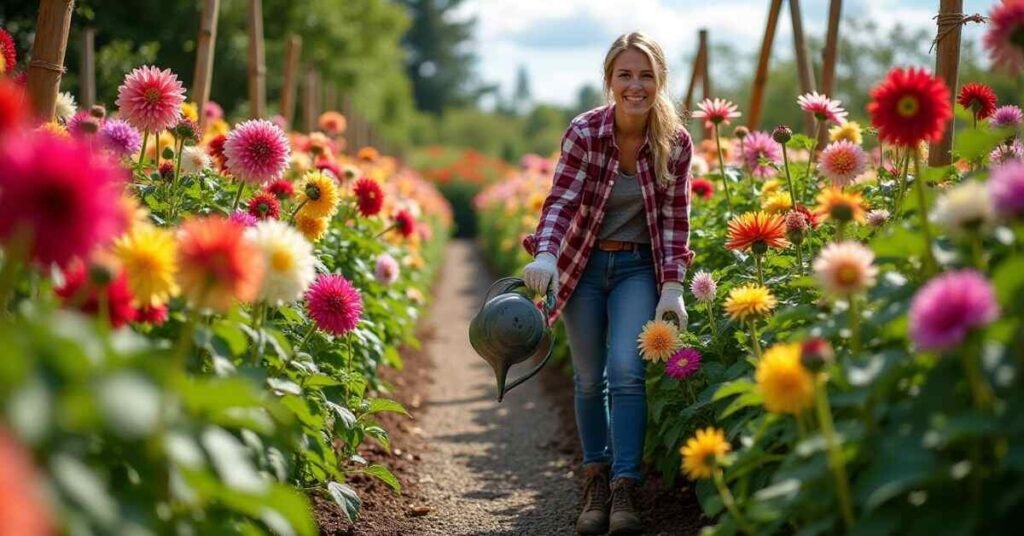
To get the most blooms, you need to give your plants plenty of direct sunlight. Dahlias love the sun and usually need at least six to eight hours of light each day. Make sure to water them deeply about two or three times a week during the hot summer months. It is best to water at the base of the plant to keep the leaves dry and healthy.
Feeding your dahlias is another secret to getting big and bright flowers. Use a fertilizer that is low in nitrogen every few weeks once the plants start growing. You should also pinch off the faded blooms to encourage the plant to grow even more new flowers. This simple habit keeps your garden looking fresh and full of color until the first frost of the season.
Best Soil and Sun for Dahlias Plant
Dahlias grow best in soil that is rich and drains water quickly. You can mix in some compost or aged manure to give the ground extra nutrients. Avoid planting them in heavy clay because the tubers might rot if the soil stays too wet. A loose and crumbly texture helps the roots spread out and stay strong throughout the season.
Sunlight is the most important factor for getting plenty of big flowers. These plants need at least six to eight hours of direct sun every single day. If they stay in the shade for too long, the stems will grow tall and weak. Pick a bright spot in your garden where they can soak up the morning light to stay healthy and vibrant.
Dahlias Plant Companion Planting Ideas
Companion planting is a smart way to keep your dahlias healthy and looking great. You can choose tall plants to provide some wind protection for your heavier blooms. Many gardeners also like to grow herbs like lavender or mint nearby. These fragrant plants help to naturally keep away pests that might try to eat your flowers.
Low-growing flowers can also fill the gaps around the base of your dahlia stems. This keeps the soil cool and prevents weeds from taking over your garden beds. By mixing different textures and colors, you create a diverse environment that looks very professional. It also makes your garden a much better place for beneficial insects to visit.
- Marigolds: These bright flowers are excellent for deterring harmful soil pests.
- Geraniums: They provide a beautiful contrast and are very easy to grow.
- Salvia: The tall blue spikes look stunning next to pink or yellow dahlias.
- Cosmos: These airy plants add a delicate feel to your bold dahlia blooms.
Seasonal Guide to Planting Dahlias Plant
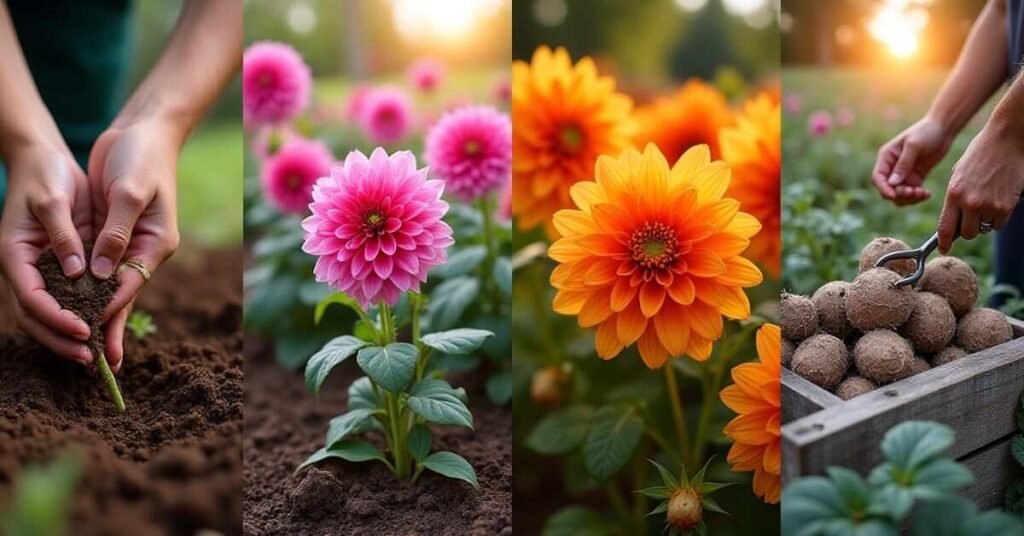
Gardening with dahlias follows the natural cycle of the seasons. In the spring, you should wait until the ground is warm and the danger of frost has passed. This is the best time to tuck your tubers into the soil or move your young seedlings outside. During the summer, your main job is to water them regularly and enjoy the explosion of colorful flowers.
As the weather cools down in the autumn, the plants will naturally start to fade. You should cut back the stems after the first frost turns the foliage brown. In colder areas, this is when you dig up the tubers to keep them safe and dry indoors for the winter. Following this simple yearly rhythm ensures your dahlias stay healthy and come back even stronger next year.
| Season | Key Task | Description |
| Early Spring | Sprouting | Start tubers indoors in pots to get an early start on the season. |
| Late Spring | Planting | Move plants into the garden once the soil is warm and frost is gone. |
| Early Summer | Staking | Provide support for tall varieties so they do not fall over in the wind. |
| Mid Summer | Watering | Give plants a deep soak two or three times a week during hot spells. |
| Late Summer | Deadheading | Remove old, faded flowers to encourage the plant to grow new ones. |
| Early Autumn | Mulching | Add a layer of compost to protect the roots as the nights get cooler. |
| Late Autumn | Harvesting | Dig up tubers after the first frost if you live in a cold climate. |
| Winter | Storage | Store cleaned tubers in a cool, dark, and dry place until spring. |
Preventing Pests on Dahlias Plant
Keeping your dahlias safe from pests starts with a clean garden. You should check your plants every few days for tiny insects like aphids or spider mites. If you see bugs on the leaves, you can usually spray them off with a gentle stream of water from your garden hose. It also helps to pick off any yellow or dead leaves where pests like to hide and lay their eggs.
Natural sprays are another great way to protect your flowers without using harsh chemicals. You can mix a little bit of mild soap with water and spray it on the stems and leaves in the evening. This simple mix helps to stop slugs and snails from eating the tender green parts of your plants. Encouraging helpful bugs like ladybugs and lacewings will also keep the bad pests away in a natural way.
Dahlias Plant Watering and Fertilizer Guide
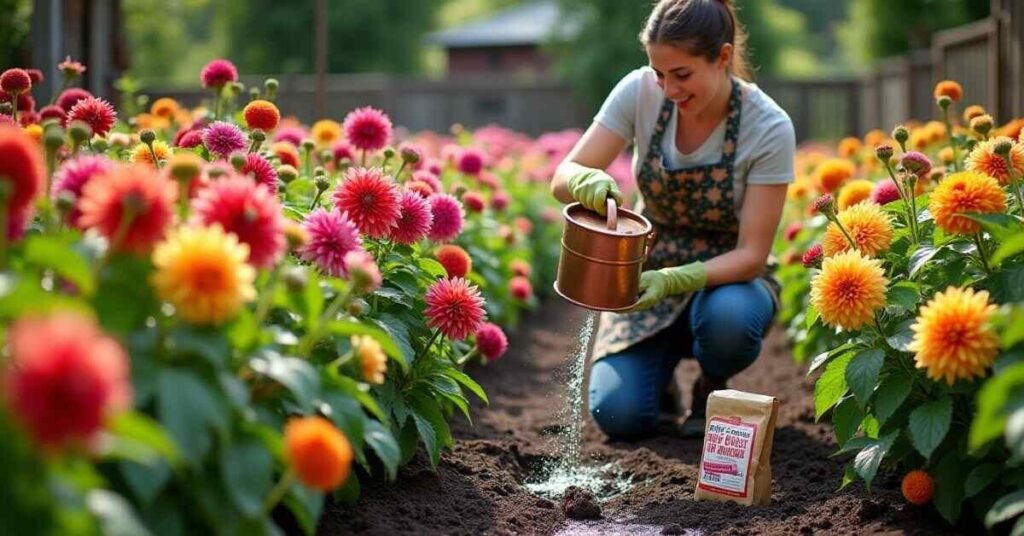
Watering your dahlias correctly is the secret to getting huge and healthy flowers. You should wait until the sprouts appear above the ground before you start watering regularly. Once they are growing, give them a deep soak two or three times every week. It is best to water early in the morning so the sun can dry the leaves during the day.
Feeding your plants helps them produce more vibrant colors and stronger stems. Start using a liquid fertilizer once the plants are about a foot tall. Avoid using too much nitrogen because it makes the leaves grow but stops the flowers from blooming. A balanced feed every few weeks will keep your garden looking full and beautiful until the first frost.
- Wait for Sprouts: Do not water the tubers until you see green leaves poking through the soil.
- Deep Soaking: Aim for the base of the plant to keep the roots hydrated and the foliage dry.
- Low Nitrogen: Use a fertilizer with a higher phosphorus count to encourage more flower buds.
- Consistency: Keep a regular schedule so the soil stays moist but never becomes a muddy mess.
Decorative Ideas with Dahlias Plant
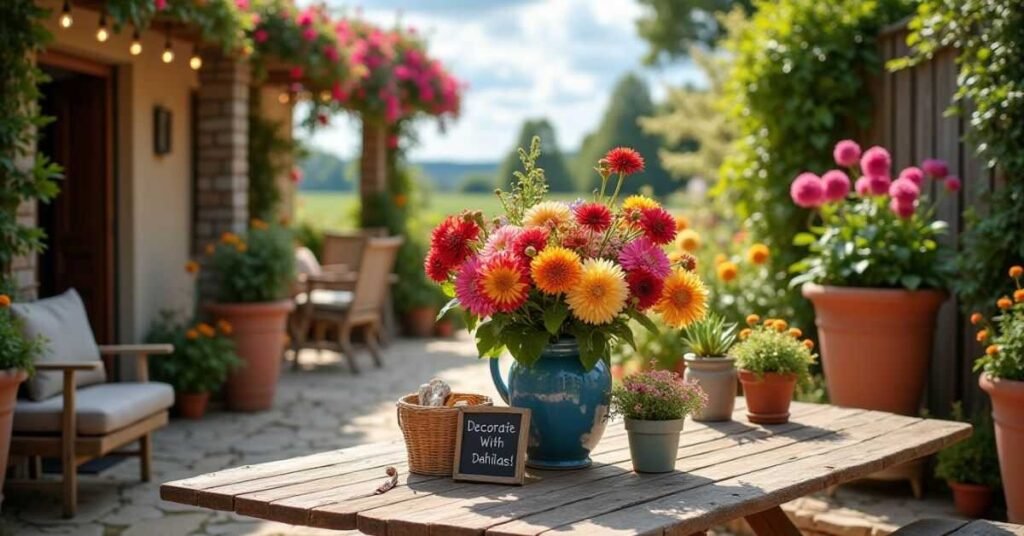
Dahlias are the stars of the garden because they come in so many shapes and colors. You can plant different varieties together to create a stunning rainbow effect in your flower beds. Try mixing tall cactus dahlias with shorter pom-pon types to add depth and texture. These flowers also look amazing when planted in large decorative pots on a sunny patio or balcony.
Bringing these beautiful blooms indoors is another great way to decorate your home. Cut the stems early in the morning when the flowers are fresh and just starting to open. Place them in a simple glass vase to show off their intricate petal patterns and bright colors. They make a perfect centerpiece for a dining table or a cheerful addition to a sunny windowsill.
Troubleshooting Common Problems
If your dahlia leaves start turning yellow, you might be giving them too much water. You should let the top inch of soil dry out before watering again. Another common issue is powdery mildew, which looks like white flour on the leaves. You can fix this by making sure your plants have plenty of space for air to move around them.
Sometimes your plants might grow tall and thin without any flowers at all. This usually happens when they do not get enough direct sunlight throughout the day. If you notice the stems are drooping, try adding a wooden stake to give them extra support. Checking your plants every few days helps you catch these small problems before they become bigger issues.
Conclusion
Growing dahlias is a rewarding hobby that brings incredible color to any garden. Whether you are a beginner or an expert, these flowers offer endless variety and beauty. By following a few simple steps for soil, sun, and water, you can watch your plants thrive and bloom all season long. It is a wonderful feeling to see your hard work turn into a vibrant display of nature.
Remember that every garden is a learning experience, so do not be afraid to try new varieties. Dahlias are very resilient and will reward your care with stunning, intricate petals year after year. As you gain more confidence, you can even start sharing your beautiful cut flowers with friends and family. Enjoy the process of gardening and let these amazing plants brighten up your outdoor space.
FAQs
When is the best time to plant dahlia tubers?
Plant your tubers in late spring once the soil is warm and there is no more risk of frost.
How much sunlight do dahlias need to grow well?
Dahlias need at least six to eight hours of direct sunlight every day to produce big, healthy flowers.
What is the recommended watering schedule for dahlias?
Water them deeply two or three times a week, making sure the soil stays moist but not soggy.
Do I need to dig up my dahlias in the winter?
If you live in a cold area, you should dig up the tubers after the first frost and store them indoors.
Why are my dahlia leaves turning yellow?
Yellow leaves usually mean the plant is getting too much water or the soil is not draining properly.

Jack Rivers is the founder of Plantsopedia, dedicated to making plant care simple, science-backed, and accessible for everyone. With a deep interest in botanical care and plant psychology, he specializes in rare tropical species and organic growth techniques, helping enthusiasts understand the soil, light, and biology behind every thriving plant. When he’s not experimenting with new propagation methods, Jack is busy turning complex horticultural science into practical, everyday advice for home gardeners