
Introduction
Squash Plants problems are common issues that can stop your garden from growing. These problems usually include tiny garden pests, leaf diseases, or poor soil health. Most of these troubles happen when the weather changes or when the plants get too much water. Understanding these signs early is the best way to keep your vines strong and green.
Have you ever walked out to your garden and seen white spots on your leaves or a wilted stem? It can be very frustrating to see your hard work disappear in just a few days. Many gardeners give up when they see bugs or yellow leaves on their squash. However, most of these common garden killers are actually very easy to stop if you have the right plan.
In this guide, we will look at the Squash Plants Problems & Quick Fixes You Must Know to save your harvest. You will learn how to spot early warning signs and use simple home remedies to fix them. We will cover everything from powdery mildew to pesky squash bugs that hide under the leaves. With these quick tips, you can protect your plants and enjoy a massive harvest this season.
Squash Plants Growing Guide
Growing squash starts with picking a sunny spot in your garden. These plants love the heat and need plenty of space to spread their vines. You should plant your seeds in rich, well-draining soil once the ground feels warm. Give them a good drink of water right away to help them settle in.
As your squash begins to grow, keep the soil moist but avoid getting the leaves wet. Large leaves can easily hide weeds, so check underneath them regularly. Adding a little mulch around the base helps hold in moisture and keeps the fruit off the dirt. With just a bit of daily attention, you will see tiny green vegetables appearing before you know it.
Best Squash Plant Types
Choosing the right squash depends on how much space you have and when you want to eat them. Summer squash grow quickly and have soft skins that you can eat right away. Winter squash take longer to ripen but they develop a tough outer shell. This thick skin allows you to store them for several months in a cool place.
There are many fun varieties to try in your garden. Some stay in small bushes while others like to climb or crawl across the ground. Here are a few popular choices:
- Zucchini: A classic summer favorite that produces tons of green fruit.
- Yellow Crookneck: Known for its bumpy skin and sweet, buttery flavor.
- Butternut: A winter staple with a creamy texture and sweet orange flesh.
- Spaghetti Squash: A unique type where the insides look like noodles after cooking.
- Patty Pan: Small, saucer-shaped squash that look great on a dinner plate.
Soil & Sun Needs for Squash Plants
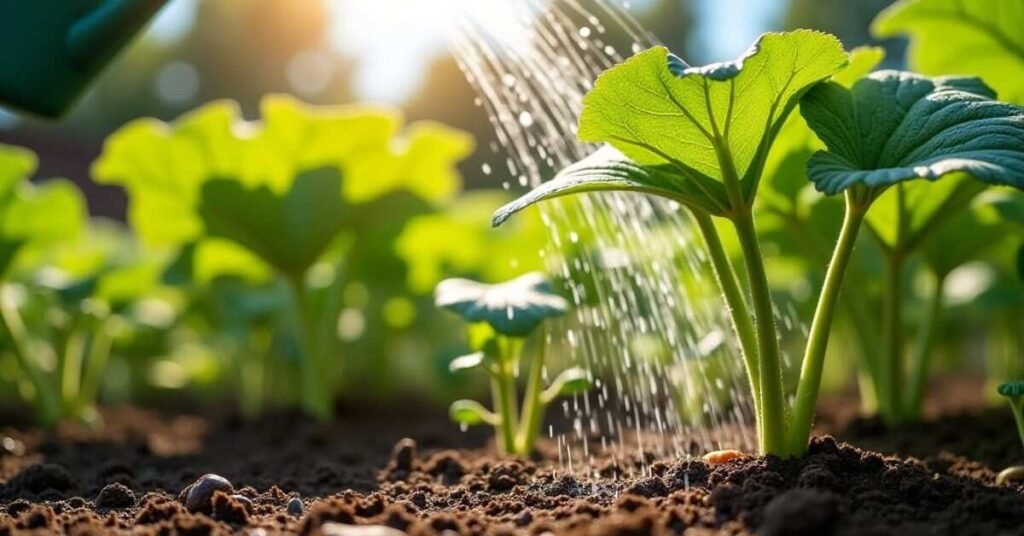
Squash plants are true sun worshippers. They need at least six to eight hours of direct sunlight every day to grow strong and produce fruit. Without enough light, the plants become leggy and may not grow any squash at all. Make sure to pick a wide-open spot in your garden where tall trees or fences won’t cast long shadows.
The soil is just as important as the sun. Squash plants are “heavy feeders,” which means they need lots of nutrients to stay healthy. They prefer loose, crumbly dirt that allows water to drain away quickly so the roots don’t rot. Mixing in some compost before you plant is the best way to give them a head start.
- Full Sun: Pick the brightest spot in your yard.
- Rich Soil: Use plenty of organic matter or aged manure.
- Good Drainage: Avoid areas where puddles form after it rains.
- Warm Earth: Wait to plant until the soil feels warm to the touch.
- PH Level: They grow best in slightly acidic to neutral soil.
Watering & Fertilizer Tips
Proper watering is the secret to juicy squash and strong vines. These plants get very thirsty, especially when the weather turns hot. It is best to water them early in the morning so the moisture can soak deep into the roots. Always try to pour water at the base of the plant rather than over the leaves. Keeping the foliage dry helps prevent diseases that love damp environments.
Feeding your squash is just as vital as giving them water. Since they grow so fast, they use up the nutrients in the soil very quickly. Start with a balanced food when they are young to help the leaves grow big. Once you see the first yellow flowers appear, switch to a mix that focuses on fruit growth. This ensures your harvest stays heavy and healthy all season.
- Consistency is Key: Keep the soil evenly moist but never soggy.
- Deep Soaking: Aim for at least an inch of water every week.
- Mulch Magic: Use straw or wood chips to hold moisture in the dirt.
- Timed Feeding: Fertilize every few weeks for the best results.
- Avoid the Leaves: Use a soaker hose or watering can to target the roots directly.
How to Plant Squash Plants
Planting squash is a fun and rewarding process for any gardener. These plants need plenty of room because they like to spread their leaves wide. You should wait until the danger of frost has passed and the ground feels warm to the touch. It is often best to plant them in small mounds or “hills” to help with drainage and keep the roots happy.
You can start your squash from seeds or small nursery plants. If you use seeds, poke them about an inch deep into the soil. If you are using baby plants, be very gentle with their roots during the move. Once they are in the ground, give them a gentle drink of water to help them settle into their new home.
- Choose a Spot: Find a place with lots of open space and full sunlight.
- Prepare the Soil: Mix in some compost and create small mounds of dirt.
- Space Them Out: Keep each mound about three to four feet apart.
- Sow the Seeds: Place two or three seeds in each hill at a depth of one inch.
- Thin the Seedlings: Once they are a few inches tall, keep only the strongest plant in each spot.
Squash Plant Spacing Guide

Giving your squash plants enough room is very important for their health. These plants grow very large leaves that need plenty of air to breathe. If you plant them too close together, they will fight for sunlight and water. Good spacing also prevents diseases from spreading between the leaves. Always check if your variety is a bush type or a vine type before you start digging.
Bush varieties stay in a neat clump but still need a few feet to spread out. Vining types are much more ambitious and will crawl across your entire garden if you let them. You can use trellises for vining types to save space on the ground. This keeps the fruit clean and makes it much easier for you to walk through your garden.
| Squash Type | Space Between Plants | Space Between Rows | Best Growing Style |
| Zucchini (Bush) | 2 – 3 Feet | 4 – 5 Feet | Open garden beds |
| Yellow Squash | 2 – 3 Feet | 4 – 5 Feet | Large containers or beds |
| Butternut (Vine) | 3 – 4 Feet | 6 – 8 Feet | Ground crawl or sturdy trellis |
| Spaghetti Squash | 3 Feet | 6 – 7 Feet | Large open spaces |
| Pumpkins (Large) | 5 – 6 Feet | 10 – 12 Feet | Very large fields or patches |
| Patty Pan | 2 – 3 Feet | 4 Feet | Raised garden beds |
| Acorn Squash | 3 Feet | 6 Feet | Hills or mounds |
Pollination Tips for Squash Plants
Squash plants need a little help to turn their flowers into actual food. They grow separate male and female flowers on the same vine. Bees and other busy insects usually carry pollen from the male flower to the female flower. If you do not see many bees in your yard, your tiny squash might shrivel up and fall off the plant.
You can act like a bee yourself if your garden is quiet. Simply pick a fresh male flower and peel back the petals to find the pollen. Rub the center of the male flower gently onto the center of the open female flower. Doing this early in the morning gives you the best chance for success. This simple trick ensures you get a huge harvest even if the local insects are staying away.
Squash Plant Problems & Fixes
Even healthy gardens can run into a few bumps along the way. You might notice white powdery spots on the leaves or see your plants suddenly start to wilt. These problems are often caused by tiny bugs or too much moisture in the air. The good news is that most squash issues are easy to fix if you catch them early. Regularly checking under the large leaves is the best way to keep your plants safe.
If you see pests like squash bugs or beetles, you can usually pick them off by hand. For moldy-looking leaves, try to improve the airflow around the plant by trimming a few stems. Keeping the garden clean and free of old leaves also helps prevent future trouble. With a little bit of care, your squash plants will bounce back and continue growing strong.
- Powdery Mildew: Look for white dust on leaves. Water and baking soda should be sprayed together.
- Squash Bug Eggs: Check the underside of leaves for small bronze clusters. Wipe them off immediately.
- Wilting Vines: This could be vine borers. Look for small holes near the base of the stem.
- Yellow Leaves: Usually a sign of too much water or a need for more plant food.
- Blossom End Rot: If the bottom of the fruit turns black, add more calcium to your soil.
Harvesting Squash Plants

Knowing the right time to pick your squash makes a big difference in how they taste. For summer types like zucchini, it is best to harvest them while they are still small and tender. If they grow too large, the seeds get tough and the skin becomes hard. Use a sharp pair of garden scissors to snip the fruit off the vine rather than pulling it. This prevents you from accidentally damaging the main plant.
Winter squash require a bit more patience before they are ready for your kitchen. You should wait until the vines start to turn brown and the skin is hard enough that your fingernail cannot scratch it. It is usually best to harvest these right before the first cold frost of the year. Always leave a few inches of the stem attached to the fruit. This helps the squash stay fresh for a much longer time while it sits in your pantry.
Summer vs Winter Squash Plants
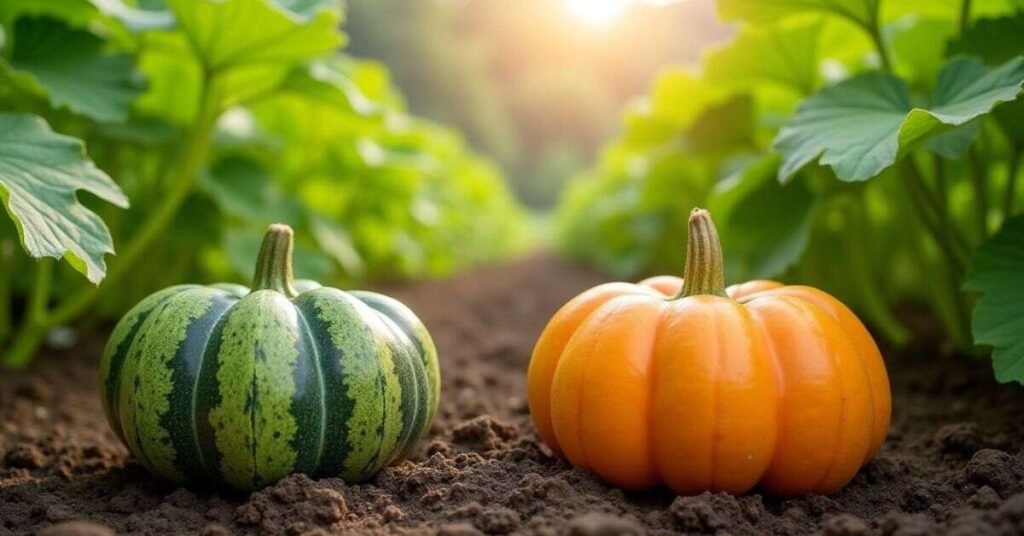
The main difference between these two types is when you harvest them and how you eat them. Summer squash are picked while they are young and have very soft, edible skins. They grow quickly and are best eaten fresh from the garden. Because their skin is so thin, they do not stay fresh for very long after they are picked.
Winter squash stay on the vine much longer until they are fully mature. They grow a very hard outer shell that protects the sweet flesh inside. This tough skin allows you to store them in a cool spot for many months. While summer squash can be eaten raw or quickly sautéed, winter squash usually needs to be roasted or baked to soften up.
| Feature | Summer Squash | Winter Squash |
| Harvest Time | Picked when immature | Picked when fully ripe |
| Skin Texture | Soft and edible | Hard and tough |
| Seed Texture | Small and soft | Large and hard |
| Storage Life | 1 to 2 weeks | 2 to 6 months |
| Cooking Method | Grilling, frying, raw | Roasting, soups, baking |
| Popular Types | Zucchini, Patty Pan | Butternut, Acorn, Pumpkin |
| Plant Growth | Mostly bush style | Mostly vining style |
| Flavor Profile | Mild and watery | Sweet and nutty |
Tips for Bigger Squash Plants
Growing giant squash plants is all about giving them a strong foundation. You should start with a large amount of compost mixed into your garden beds. This gives the roots plenty of energy to grow thick and healthy vines. It also helps to prune away any yellow or dying leaves so the plant can focus its energy on the fruit.
Consistency is the secret to a successful harvest. You must keep the soil moist but never let it turn into mud. If you want truly impressive results, try feeding your plants every two weeks with a natural liquid fertilizer. This steady boost of nutrients helps the leaves grow massive, which in turn feeds the developing squash.
- Heavy Mulching: Use straw to keep the soil warm and moist.
- Pruning Vines: Trim off the ends of long vines to encourage fruit growth.
- Support the Fruit: Use small pieces of wood or stones to keep squash off the damp dirt.
- Morning Watering: Always water early so the sun can dry the leaves.
- Pollination Help: Hand-pollinate the flowers to ensure every fruit grows to its full potential.
Conclusion
Growing your own squash is a journey that ends with a wonderful reward. By following these simple steps, you can turn a tiny seed into a massive harvest for your kitchen. Remember to keep a close eye on your plants and give them the love they need. With plenty of sun and water, your garden will be the talk of the neighborhood.
Do not worry if you make a few mistakes along the way. Every gardener learns something new with every season they spend in the dirt. The most important part is to enjoy the process of watching your food grow. Now it is time to get outside and start planting your way to a big and healthy harvest.
FAQs
1. How much sun do squash plants really need?
Squash plants need at least six to eight hours of full sunlight every day. This helps the vines grow strong and ensures the flowers turn into healthy fruit.
2. Why are my squash flowers falling off without growing fruit?
This usually happens because the flowers were not pollinated by bees or other insects. You can solve this by gently hand-pollinating the blooms yourself in the early morning.
3. How often should I water my squash garden?
You should water them deeply about once or twice a week to keep the soil consistently moist. Always try to water at the base of the plant to keep the leaves dry and healthy.
4. Can I grow squash in small garden containers?
Yes, you can grow “bush” varieties like certain zucchinis in large pots or buckets. Just make sure the container has good drainage holes and plenty of rich potting soil.
5. How do I know when a winter squash is ready to pick?
It is ready when the vine starts to turn brown and the skin is hard enough that you cannot scratch it with your fingernail. Always harvest them before the first heavy frost hits your garden.

Jack Rivers is the founder of Plantsopedia, dedicated to making plant care simple, science-backed, and accessible for everyone. With a deep interest in botanical care and plant psychology, he specializes in rare tropical species and organic growth techniques, helping enthusiasts understand the soil, light, and biology behind every thriving plant. When he’s not experimenting with new propagation methods, Jack is busy turning complex horticultural science into practical, everyday advice for home gardeners