Introduction
Mint Planting Seeds is a hardy perennial herb known for its refreshing scent and vibrant green leaves. It belongs to the Mentha genus and grows easily from small, dark seeds. Once planted, these seeds develop into fast-spreading plants that can provide a lifetime supply of fresh sprigs.
Imagine walking into your kitchen and plucking a handful of cool, fragrant leaves for your water or tea. There is a huge difference between store-bought herbs and the punchy flavor of homegrown mint. Best of all, you don’t need a green thumb to make it happen; you just need to know a few simple tricks to get those seeds moving.
Growing mint from scratch is a rewarding project that works perfectly in pots or garden beds. To get the fastest results, you’ll need to focus on consistent moisture and the right amount of light. This guide will show you how to turn tiny seeds into a lush, aromatic garden in no time.
Mint Planting Seeds: Easy Start Guide
Growing mint from seeds is a simple way to start your herb garden. You only need a small container, some good soil, and a sunny windowsill. Simply press the tiny seeds into the dirt and keep them damp. Within a few weeks, you will see small green sprouts popping up.
Mint is a very tough plant that loves to spread out quickly. It is best to grow it in a pot so it does not take over your entire garden. Once it starts growing, it will fill your home with a wonderful, fresh scent. You will love having your own supply of leaves ready for cooking or drinks.
Mint Planting Seeds: Best Time to Grow
The best time to start your mint seeds is during the early spring. This is when the weather starts to get warm but is not too hot yet. Planting during this season gives the seeds plenty of time to grow strong roots before the summer heat arrives. If you live in a place with very cold winters, wait until the last frost has passed before moving them outside.
You can also start growing mint indoors at any time of the year. As long as you have a warm spot with enough sunlight, the seeds will sprout happily. If you plant them in late winter, your seedlings will be ready to go into the garden by the time spring officially begins. This head start helps you get a much bigger harvest of fresh leaves.
Mint Planting Seeds: Soil & Pot Setup
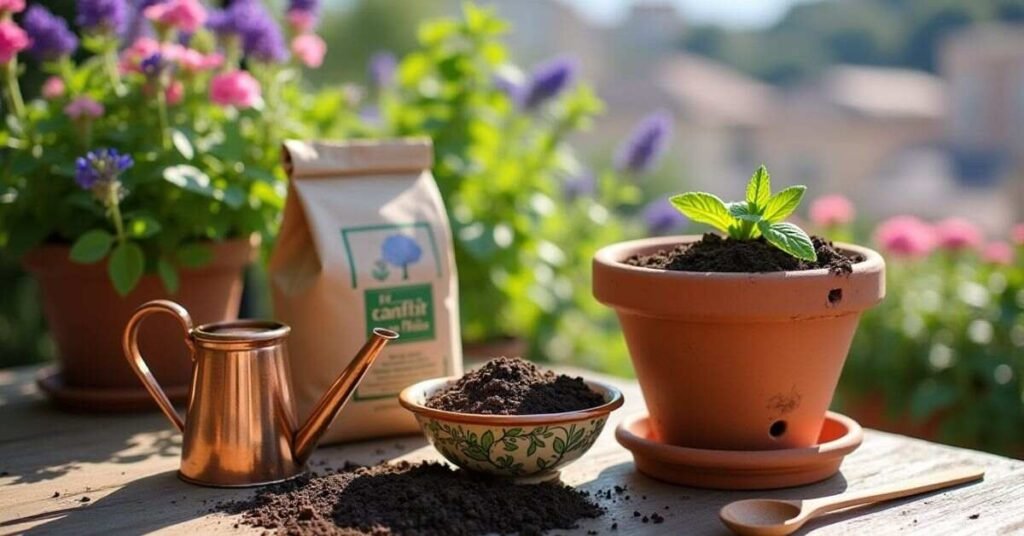
Mint loves soil that stays moist but does not get soggy. You should use a high-quality potting mix that drains water well. It is also a good idea to choose a pot with holes at the bottom so the roots do not sit in too much water. This setup keeps the plant healthy and prevents the roots from rotting.
Since mint grows very fast, it needs enough space to spread its roots. A wide container is better than a deep one because mint grows outward across the surface. Setting up your pot correctly from the start ensures your seeds have the best environment to sprout.
- Choose a pot that is at least 12 inches wide to give the mint room.
- Use potting soil instead of garden soil for better airflow.
- Add a tray under the pot to catch extra water and keep the area clean.
- Place the pot in a spot that gets at least six hours of sunlight.
Mint Planting Seeds: Step-by-Step Method
Planting mint seeds is a fun and easy task that anyone can do. You start by preparing your soil and making sure it is nice and damp. You do not need to dig deep holes because these seeds are very tiny. Just a little bit of care at the start will lead to a pot full of green leaves very soon.
Follow these simple steps to get your mint garden growing:
- Scatter the seeds evenly across the surface of your moist potting soil.
- Press them down gently with your finger so they make good contact with the dirt.
- Cover with a thin layer of soil or compost, but keep it very light so light can still reach them.
- Mist the soil with a spray bottle to keep it wet without washing the seeds away.
- Cover the pot with plastic wrap to hold in the moisture until you see sprouts.
- Move to a sunny spot once the little green stems appear through the soil.
Mint Planting Seeds: Watering & Sun Tips
Mint plants love to stay hydrated, so you should keep the soil consistently moist. Do not let the dirt dry out completely, but avoid making it like a swamp. If the leaves start to wilt, it usually means your plant is thirsty and needs a quick drink. Using a spray bottle for young sprouts is a great way to water them gently.
Sunlight is also very important for growing strong and flavorful mint. These plants prefer bright, indirect light for several hours every day. If you are growing them indoors, a south-facing window is usually the best spot. Proper light makes the leaves grow large and gives them that classic, sharp scent we all love.
- Check the soil daily by poking your finger an inch deep to see if it feels dry.
- Water in the morning so the plant has plenty of moisture to handle the daytime sun.
- Rotate the pot every few days so all sides of the plant get equal sunlight.
- Use filtered light if the afternoon sun is too hot, as it can sometimes burn the delicate leaves.
Mint Planting Seeds: Indoor vs Outdoor Guide
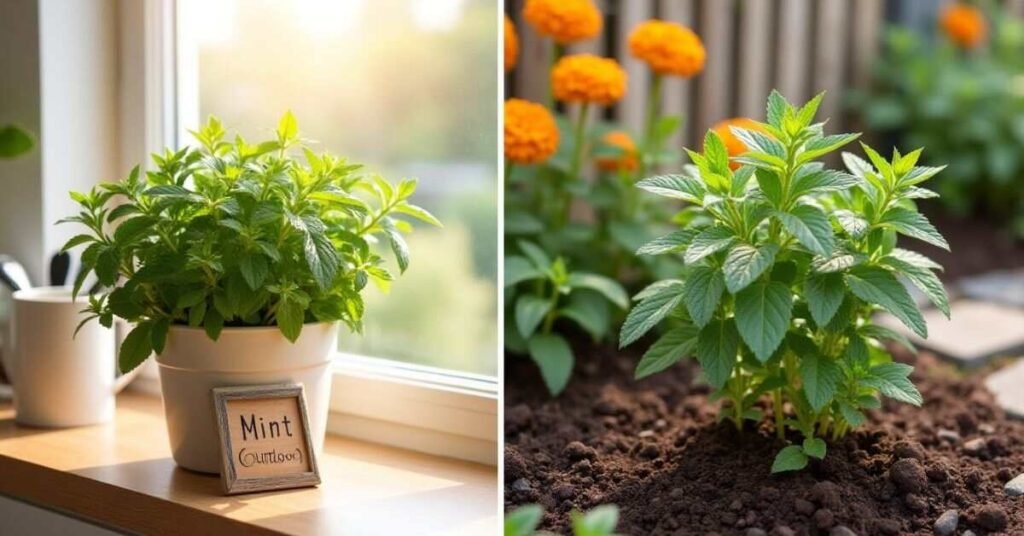
Growing mint indoors is a great way to keep fresh herbs right in your kitchen. You can control the temperature and keep the soil moist more easily inside. However, indoor mint needs a very sunny window or a small grow light to stay healthy. It grows a bit slower in a pot, but you can harvest the leaves all year round regardless of the weather.
Outdoor mint grows much faster and bigger because it gets natural sunlight and fresh air. It is a very strong plant that can quickly fill up a garden bed if you are not careful. Many people prefer planting it in large outdoor containers to keep it from spreading too far. Whether you grow it on a porch or in the ground, outdoor mint usually has a stronger scent and thicker leaves.
| Feature | Indoor Growing | Outdoor Growing |
| Sunlight | Needs 6+ hours near a bright window. | Enjoys full sun or partial shade. |
| Watering | Dries out slower; check every 2 days. | Dries fast in heat; check every day. |
| Space | Limited to the size of the pot. | Spreads very quickly and needs space. |
| Pests | Low risk, but watch for gnats. | High risk of garden bugs and snails. |
| Temperature | Stays warm and stable all year. | Follows the seasons and cold winters. |
| Growth Speed | Moderate and steady growth. | Very fast and aggressive growth. |
| Harvesting | Smaller harvests available anytime. | Large harvests during spring and summer. |
| Maintenance | Easy to reach and trim for cooking. | Needs frequent pruning to keep it tidy. |
Mint Planting Seeds: Growth Timeline
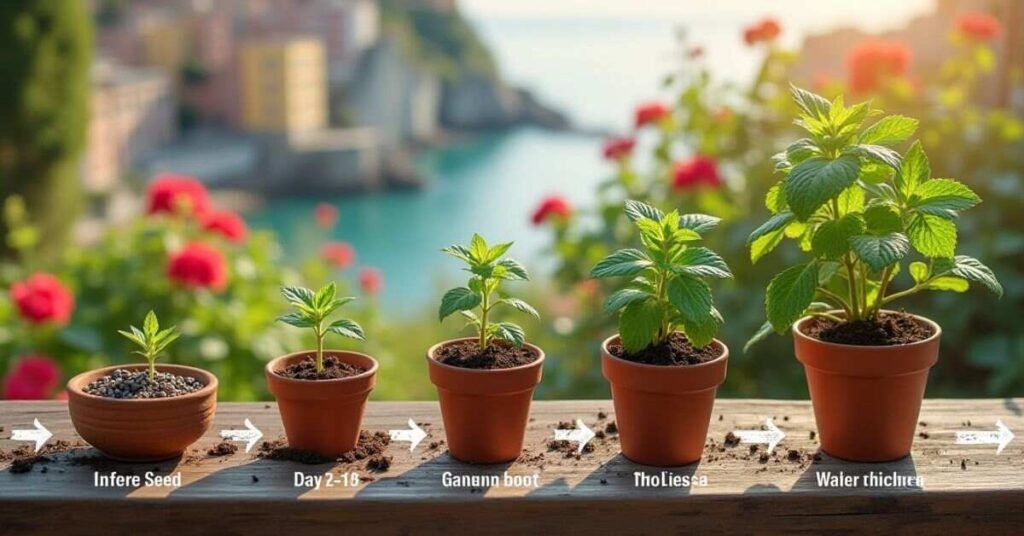
Growing mint is an exciting process because you can see changes every single week. It all starts with tiny seeds that take about ten to fifteen days to sprout. Once the first green leaves appear, the plant focuses on building strong roots and stems. Within a month, your little seedlings will look like miniature mint plants ready to take off.
By the second month, the growth becomes much faster and more aggressive. You will notice new stems popping up from the soil as the plant tries to spread out. This is the best time to start pinching off the tops to help the plant grow bushy instead of tall. Soon, you will have a full pot of fragrant herbs ready for your first big harvest.
| Time Period | Growth Stage | What to Expect |
| Week 1 – 2 | Germination | Seeds absorb water and tiny white roots begin to emerge. |
| Week 2 – 3 | Sprouting | Small green loops break through the soil and open their first leaves. |
| Week 4 | Seedling Stage | The plant develops its “true leaves” which have the jagged mint shape. |
| Week 6 | Established Growth | The root system becomes strong and the scent starts to get noticed. |
| Week 8 | Branching Out | Side shoots begin to grow, making the plant look much thicker. |
| Month 3 | Maturity | The mint is fully grown and can handle regular cutting. |
| Ongoing | Harvest Phase | New leaves grow back quickly after you pick them for use. |
| Late Season | Flowering | Small purple or white flowers may appear if the plant isn’t trimmed. |
Mint Planting Seeds: Common Mistakes
Many people fail with mint because they plant the seeds too deep in the soil. These tiny seeds need a little bit of light to wake up and start growing. If you bury them under a heavy layer of dirt, they might never reach the surface. Another big mistake is letting the soil dry out completely during the first few weeks. Without enough water, young mint sprouts will wither away very quickly.
Overcrowding is another issue that can slow down your garden. If you plant too many seeds in one small spot, the plants will fight for food and space. This often leads to thin, weak stems that do not smell or taste very strong. It is also important to remember that mint is a “bully” in the garden. If you plant it directly in the ground next to other flowers, it will likely take over their space within a single season.
- Burying seeds too deep prevents them from getting the sunlight they need to sprout.
- Forgetting to water causes the tiny, shallow roots to dry out and die.
- Using a pot without holes traps water at the bottom and rots the roots.
- Planting in the ground without a barrier can lead to mint taking over your entire yard.
- Not thinning out sprouts leads to weak plants that do not have enough room to grow.
Mint Planting Seeds: Fast Growth Secrets
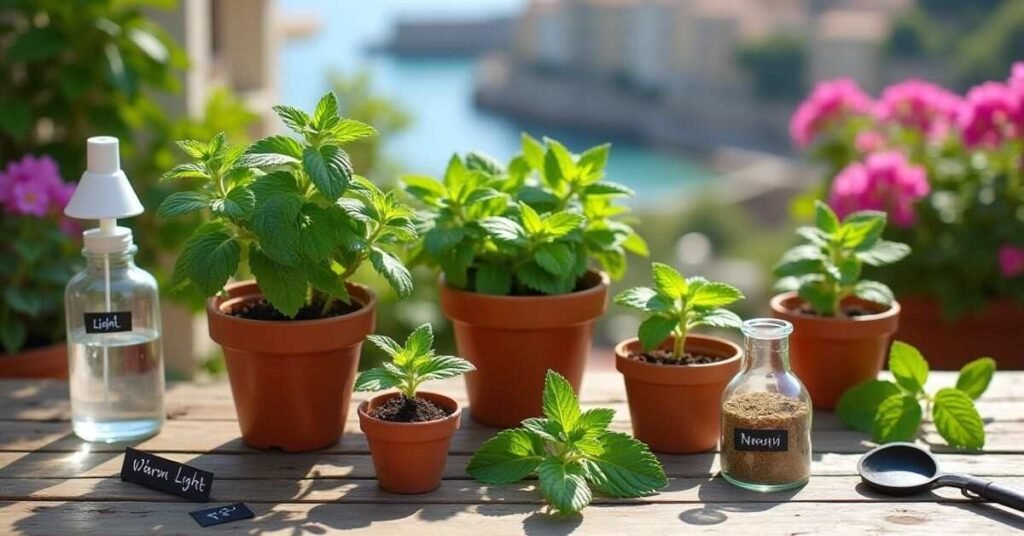
If you want your mint to grow like a weed, you need to give it plenty of fuel and warmth. Using a liquid fertilizer every few weeks gives the plants the energy they need to push out new leaves. Keeping the soil warm is another big secret. If the dirt is cold, the seeds will take a long time to wake up. A warm spot in your house or a sunny corner in the garden makes everything happen much faster.
Keeping your mint bushy and thick can be achieved by pruning it. When you snip off the top of a stem, the plant sends a signal to grow two new stems from the sides. This simple trick doubles your harvest in just a few days. Don’t be afraid to cut your mint often. The more you use it, the more the plant will reward you with fresh, fast growth.
- Use warm water when misting your seeds to help them germinate quickly.
- Add a grow light if your windows do not get at least six hours of bright sun.
- Pinch the tips of the stems once they are three inches tall to encourage branching.
- Feed with nitrogen rich fertilizer to help the green leaves grow larger and faster.
- Keep the air moving with a small fan to make the stems grow strong and sturdy.
Harvesting Tips
Harvesting mint is the best part of the whole process. You should wait until your plant is at least four to six inches tall before you start picking leaves. It is best to harvest in the morning when the oils are strongest and the scent is most powerful. Always use a sharp pair of scissors or your fingernails to make a clean cut above a set of leaves.
Mint grows back more the more you harvest it. Never take more than one-third of the plant at one time so it stays healthy and strong. If you see flowers starting to grow, pinch them off right away to keep the flavor in the leaves. Frequent picking keeps the plant young and prevents the stems from becoming woody and tough.
Conclusion
Growing mint from seeds is a simple and fun way to bring life to your home. It does not take much effort to turn tiny seeds into a thick, green garden. As long as you give your plants plenty of water and a bit of sunlight, they will reward you with a fresh scent every day. You will feel proud knowing you grew your own herbs for your favorite drinks and meals.
Keep practicing these tips and do not be afraid to trim your plants often. Mint is a very tough herb that loves to grow back even stronger after you harvest it. Before long, you will have more fresh leaves than you know what to do with. Enjoy the process of watching your small seeds transform into a lush and useful garden.
FAQs
Q1. How long does it take for mint seeds to sprout?
Most mint seeds will begin to sprout within 10 to 15 days. Make sure the soil stays warm and moist to help them grow faster.
Q2. Can I grow mint seeds in full sun?
Yes, mint loves bright sunlight for at least six hours a day. However, if the afternoon sun is very hot, some light shade can help keep the leaves from burning.
Q3. Should I cover the seeds with soil?
You should only use a very thin layer of soil or compost. These seeds are tiny and need a little bit of light to start growing.
Q4. How often should I water my mint seeds?
You should check the soil every day and water it whenever the surface feels dry. It is best to use a spray bottle so you do not wash the small seeds away.
Q5. Can I grow mint in the same pot as other herbs?
It is better to grow mint in its own container. Mint grows very fast and has aggressive roots that can quickly crowd out and kill other plants.

Jack Rivers is the founder of Plantsopedia, dedicated to making plant care simple, science-backed, and accessible for everyone. With a deep interest in botanical care and plant psychology, he specializes in rare tropical species and organic growth techniques, helping enthusiasts understand the soil, light, and biology behind every thriving plant. When he’s not experimenting with new propagation methods, Jack is busy turning complex horticultural science into practical, everyday advice for home gardeners